The Best Candle Making Kits for Beginners
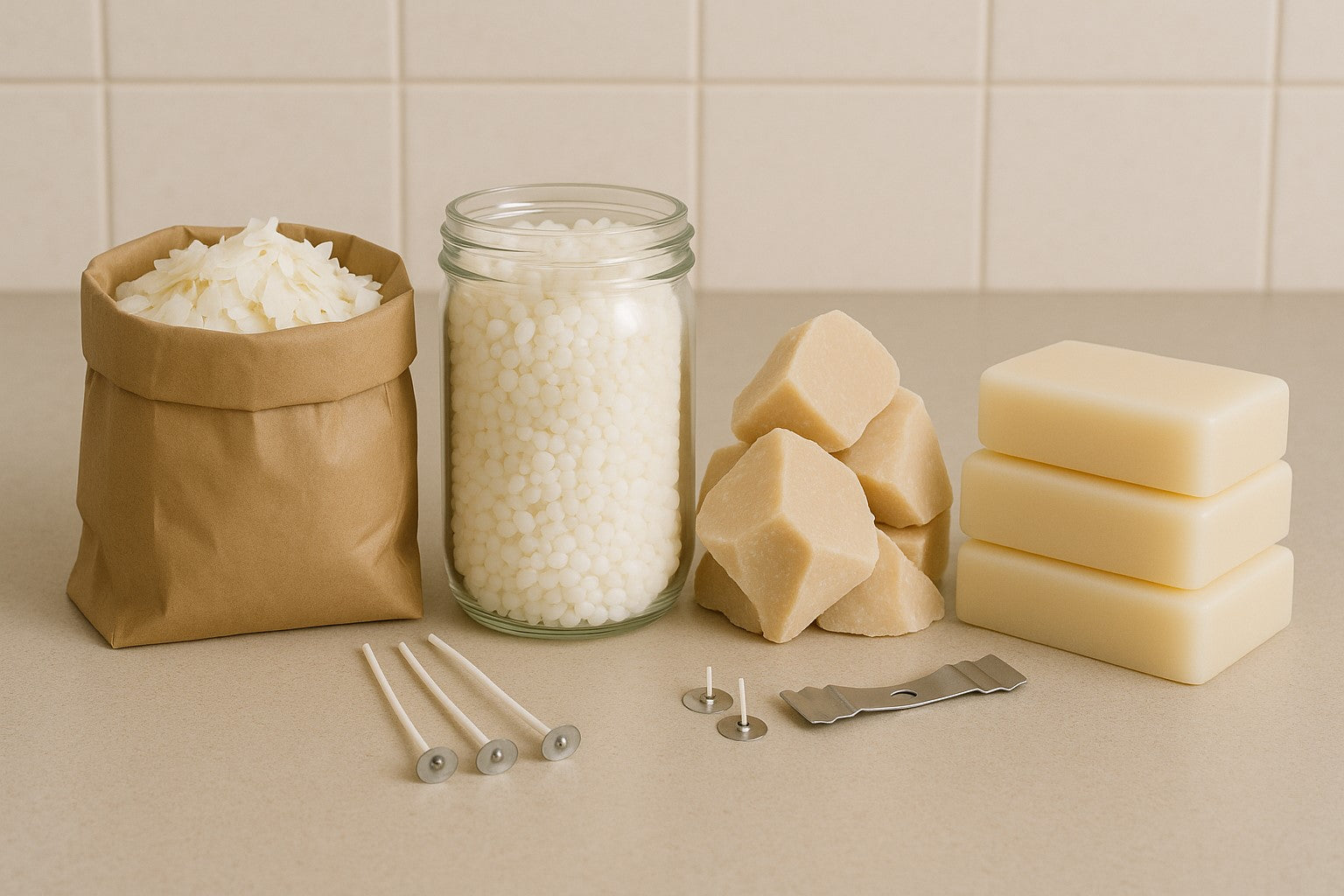
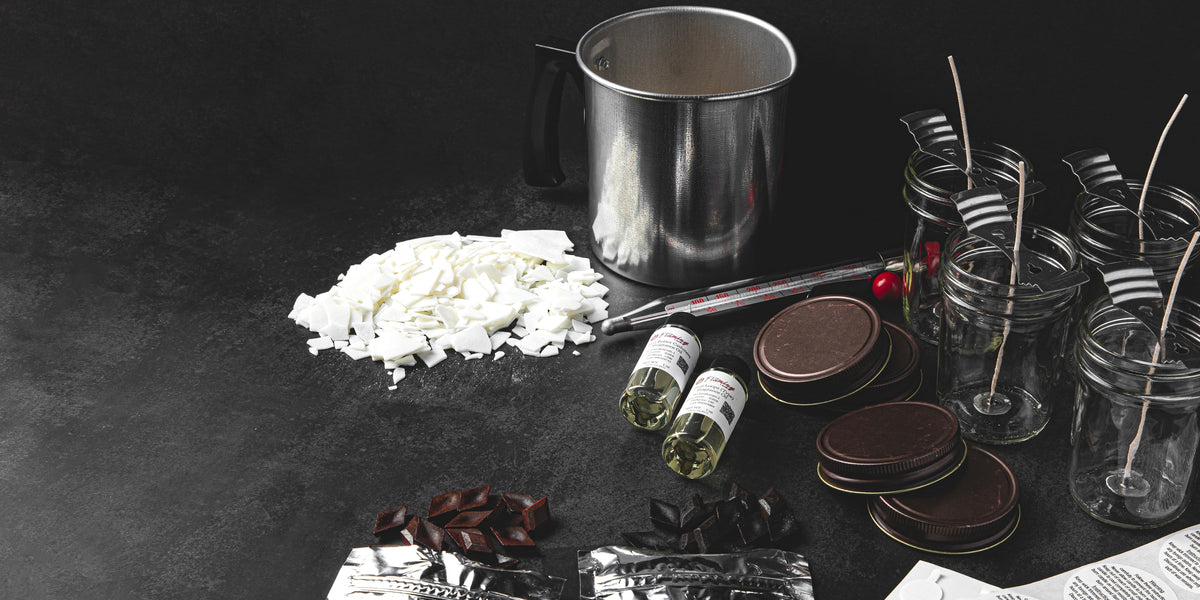
Candle making kits bundle wax, containers, wicks sized to your containers, fragrance oil, and the basic tools into one box, so your first candle making pour doesn't turn into five separate errands. Pull up any corner of the internet devoted to candle making and you'll find the same story: a kit on the counter, a double boiler borrowed from the kitchen, and a level of nervous excitement to get started. The US candle market is worth an estimated $3.68 billion and still climbing, inspiring makers to start their own candle making businesses. This guide covers what a good starter kit includes, how to choose one, which candle making kits from our shelves earn a spot in a beginner's cart, and the parts most listings quietly leave out.
What a Good Candle Making Kit Includes
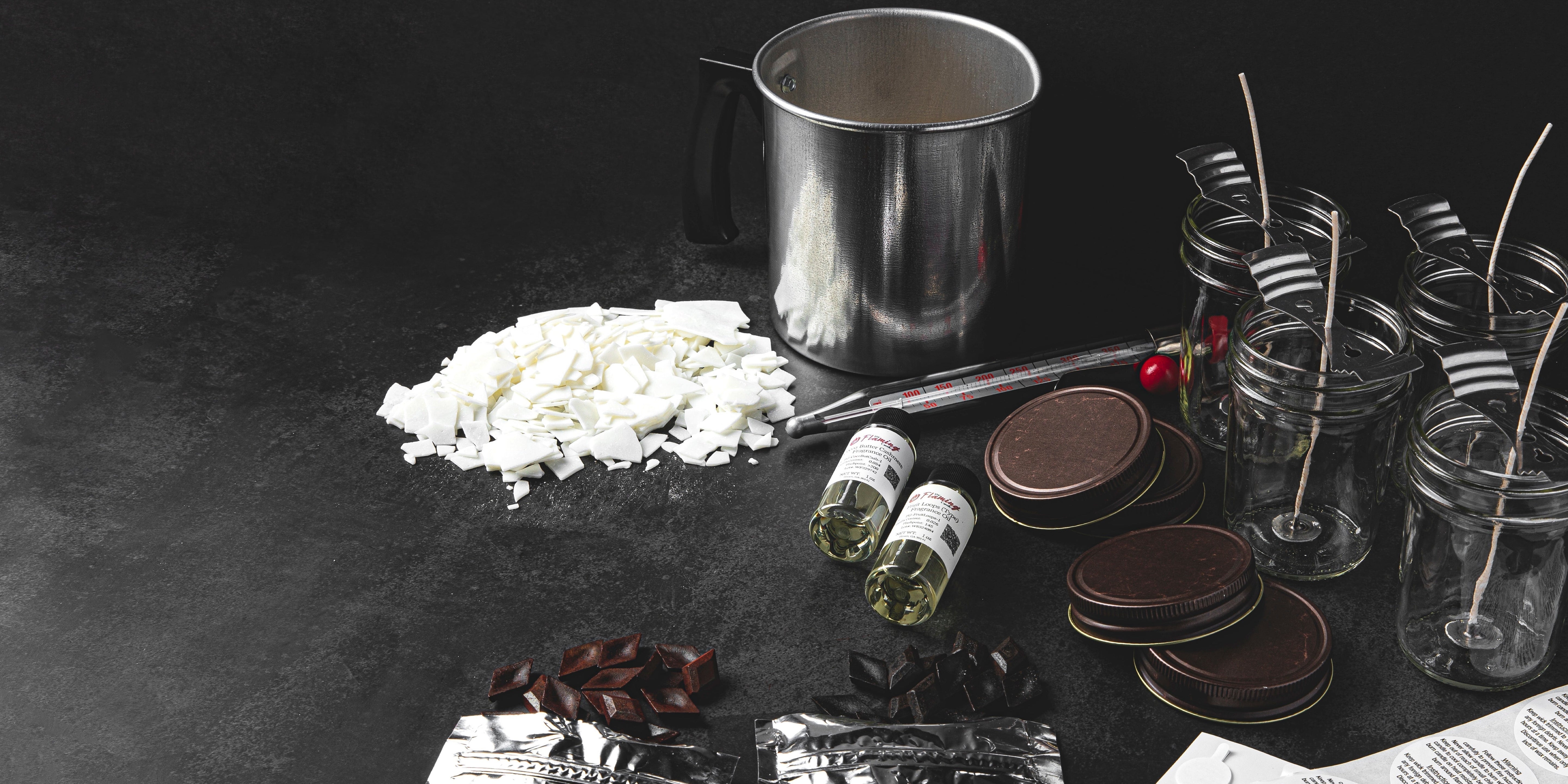
A kit earns its price by saving you from six separate purchases, not by looking good in a product photo. Before you buy, confirm it has:
-
Wax matched to the vessel. Container wax and pillar wax have different melt points, and a kit built for jars shouldn't ship you wax meant for a mold.
-
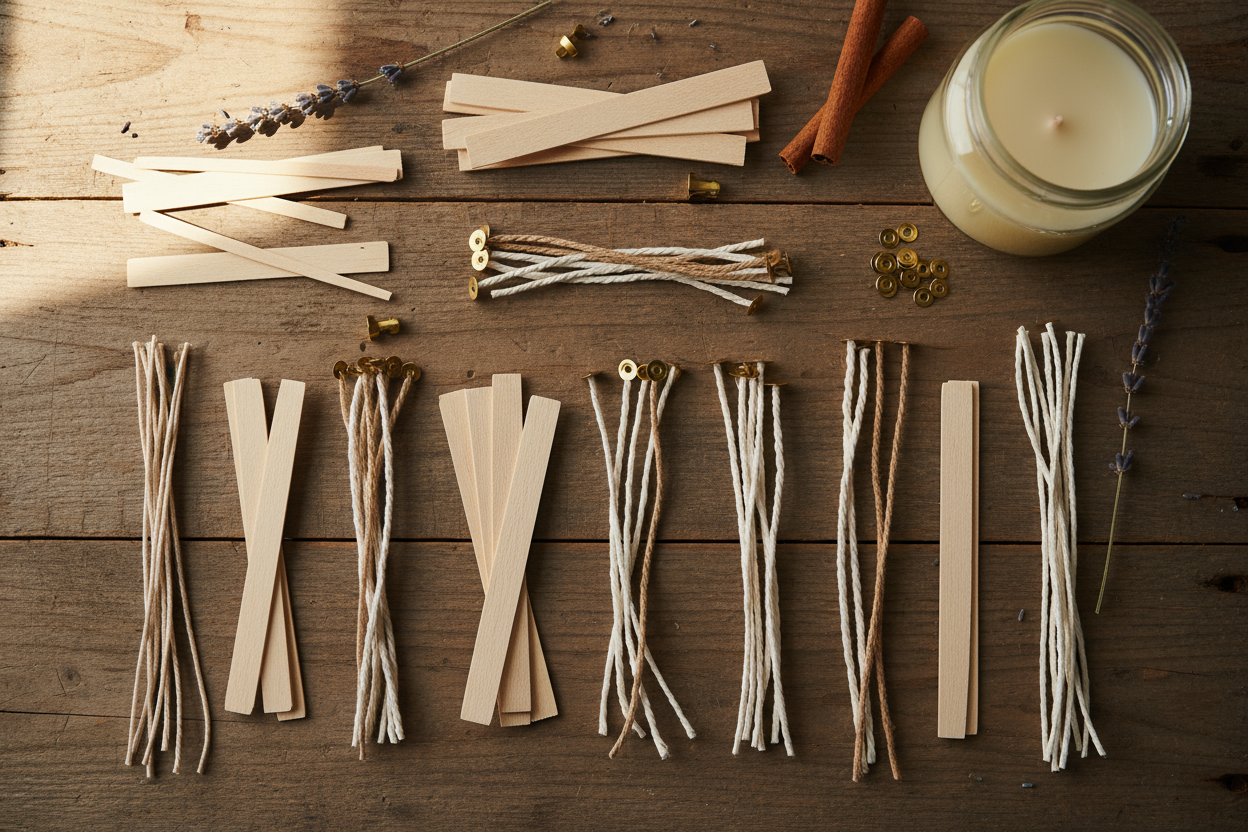
Pre-sized wick. The wick must match the diameter of your container, not just the general size of the candle. Too small and the candle tunnels down the middle, leaving wax stranded on the walls. Too large and it drowns itself in its own melt pool.
-
Fragrance oil at a tested load. Most candle fragrance oils are formulated for a 6 to 10 percent load by wax weight, and a kit should already account for that math instead of leaving you to guess.
-
A vessel rated for candle heat. Not every jar in a kitchen cabinet is heat-safe glass, and a full melt pool will find the ones that aren't.
-
A thermometer, or a clear note that you'll need your own. Pour temperature is not a detail to eyeball, and a candle thermometer clipped to a pouring pitcher is standard equipment, not an upsell.
-
Instructions with actual numbers. "Heat until melted" tells you nothing. A real instruction sheet gives a fragrance-add temperature and a pour temperature, with a range, because wax behaves differently by formulation.
Soy wax typically takes fragrance around 185°F and pours in the 135°F to 145°F range. Paraffin usually takes fragrance a little hotter, around 185°F to 195°F, and pours around 160°F to 180°F. Both ranges shift by formulation, so check the spec sheet that ships with your specific wax before trusting a number you read online, including this one.
How to Choose a Candle Making Kit
Start with wax type. Soy wax burns cooler, holds fragrance well, and cleans up with soap and water. Paraffin wax tends to deliver stronger scent throw for a lot of makers and stays more consistent through swings in room temperature while it cures. Both are great starter waxes, they're just different tools for different results, and most makers end up trying both within their first few months.
Next, think about candle type. Container candles require less technique, since the jar handles the structural support that a mold or pillar candle would otherwise require. Pillar and mold candles ask more of your wax choice and your patience, so they're worth saving for after your first few pours go right.
Last, look at what you can rebuy in bulk, and how many finished candles you actually want out of this box. A kit is a one-time purchase built around a fixed batch size. The real decision is what happens after it's empty: can you reorder the same wax, wick, and fragrance oil in larger quantities, or does the kit lock you into one-off supplies that don't scale? A kit that graduates cleanly into bulk wax and wicks saves real time and money over one that forces you to start your ingredient research from zero.
TFC's Candle Making Kits for Beginners
We keep two starter kits in rotation, and they solve slightly different problems.
|
Kit |
Wax |
Price |
Candles Made |
Cost per Candle |
|
Paraffin |
$46.15 |
Four 8-ounce candles |
~$11.54 |
|
|
Soy |
$47.20 |
Four 8-ounce candles |
~$11.80 |
Both kits pour into the same jelly-jar style vessel and walk you through four 8-ounce candles with detailed instructions in the box. The paraffin kit suits a maker who wants stronger scent throw out of the gate and doesn't mind a slightly less forgiving wax while they're learning. The soy kit suits a maker who'd rather train on the wax they're most likely to keep using long term, since soy dominates the container candle side of this craft. Either way, four candles is enough to test a scent in your own space before you commit to a bigger batch or start giving them away.
If neither of those kits fits your personal style, browse the full lineup of candle making kits to compare options, or go straight to starter wax and fragrance oils if you already know your setup and just need ingredients.
After Your Kit: What to Buy Next
Your first kit gets you four candles. Your second purchase decides whether this turns into a habit or a one-time project.
Refill your wax and wick in bulk once you know which combination worked. A pound of wax and a spool of the right wick cost less per candle than any kit ever will, since you're no longer paying for packaging and a fixed batch size. Buying by the pound instead of by the kit is where the cost-per-candle math actually improves, and it's the first real step toward selling candles instead of just making them. If your first burn tunneled or drowned, revisit the wick size chart before you blame the wax. Wick size fixes more first-candle problems than any other single variable, more than fragrance choice, more than wax type, more than anything else on this list. Grab a few wick sample packs to test sizes against your actual vessel instead of guessing again on your next order.
Fragrance is worth upgrading next. A kit teaches you the mechanics of a pour. It doesn't teach you scent throw, and that's the one detail every maker on our team obsesses over once they're past their first few batches.
For the full walkthrough on wax types, cure times, and troubleshooting, our candle making guide covers what a kit box never has room for.
Candle Making Kit FAQ
What comes in a candle making kit?
A standard starter kit includes wax, a pre-sized wick, fragrance oil, and a vessel, along with instructions covering fragrance-add and pour temperatures. Some kits include a thermometer or pouring tools, though many assume you already have a kitchen thermometer and a pot you can use as a water bath, so check the listing before you buy.
Are candle making kits worth it?
A kit's value comes from matching the wax, wick, and fragrance load correctly, so your first pour has a real shot at working the first time. Buying those components separately without guidance is where most first attempts go wrong, from tunneling wicks to weak scent throw to cracked vessels from an unrated jar.
What is the best kit for beginners?
The best kit matches the wax you want to keep using after the box is empty. Choose a paraffin kit for stronger out-of-the-box scent throw, or a soy kit if you plan to keep working in soy, since it's the wax most beginners settle into for container candles over the long run.
What do I need after a starter kit?
Bulk wax and wick in the sizes that worked for your first pour, plus a wider fragrance selection to build out beyond one scent. A wick sample pack helps you dial in sizing against your specific vessel before committing to a large quantity of any single size.
Ready to pour? Shop candle making kits and start your first batch.