The Best Floral Candle Scents
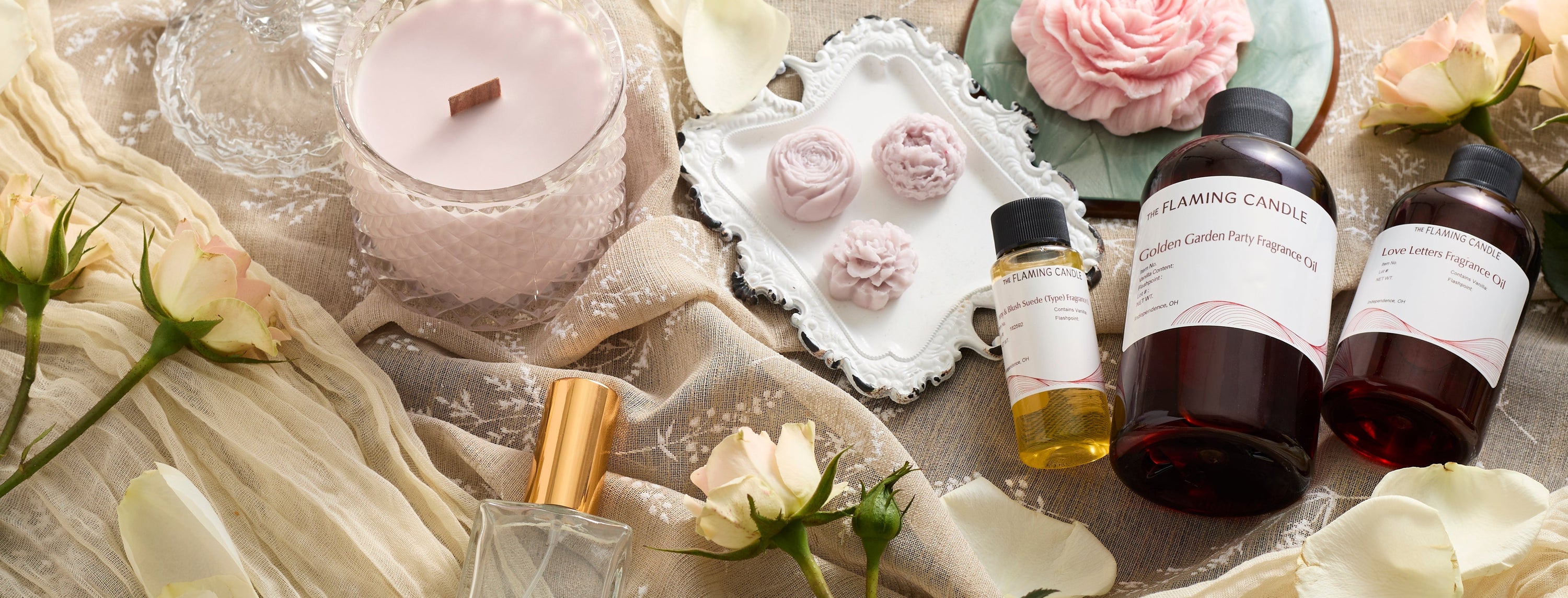
Floral scents in candle making are searched for more than almost any other family, and five blooms consistently rise to the top: rose, jasmine, lavender, peony, and gardenia. Each one performs differently in wax, so picking a floral by name only gets you halfway there. This guide breaks down what each bloom brings to a pour, links the fragrance oils built to recreate them, and solves the question every floral candle maker eventually runs into: why florals throw soft, and what to actually do about it. Rose and lavender currently top TFC's own floral bestseller list, with jasmine close behind, and the five picks below reflect what actually sells and burns well, not just what smells nice in the bottle.
Classic Florals
Rose, jasmine, and gardenia are the three florals every fragrance library needs first. Customers already know these names, which makes them easy sells and in addition to being easy to work with standouts.
Rose Fragrance Oil pours in as a true, velvety rose. Rosebuds sit against green stem notes, wrapped in a base of vanilla, so expect warmth and softness rather than sharp, perfumey rose. That vanilla base also means rose candles can turn amber with a long cure. That's chemistry, not a flaw. Vanillin oxidizes with heat and time, and a deeper wax color is the tradeoff for that authentic sweetness. Rose also anchors several of our scents for women picks, for good reason.
Jasmine Fragrance Oil is the heady one. Dewy top notes open into a rose and white plumeria heart, finishing on a green, twig-like base. It's built for strong scent throw and reads as true jasmine, not a soapy floral blur.
Gardenia Fragrance Oil closes out the classic three, with neroli, jasmine, and magnolia billowing into white musk. Lush, creamy, and the closest thing we sell to a slow exhale in a jar.
All three test stronger on hot throw than cold throw, which is normal for florals and worth knowing before you write off a batch too early. Smell the wax while it's cold, but judge the fragrance while the candle is actually burning.
We don't say "true to bloom" lightly. Every one of these three earned it in testing.
Soft & Fresh Florals
Peony, lily, and freesia sit one register lighter than the classics.
Peony Fragrance Oil leads with citrus brightening a lush peony heart, warmed by spicy dianthus and green foliage, then settles into orange flower and musk balanced with a touch of vanilla. Petal soft without turning powdery.
Stargazer Lily Fragrance Oil pairs a delicate white lily and rose heart with amber and musk underneath. It reads fresher and less sweet than rose alone, a solid pick when a floral needs to feel airy rather than heavy.
English Pear & Freesia Fragrance Oil carries white freesia through its middle notes alongside water lily and lily of the valley, resting on creamy sandalwood and soft musk. The pear keeps it from tipping fully floral, which is exactly the point for makers who want fresh over sweet.
This trio also runs lighter on discoloration than the classic three, since none of them lean as hard on vanilla. If a customer wants a true white candle in a floral scent, start testing here before you start testing rose.
Herbal-Floral (Aromatherapy Crossover)
Lavender and chamomile straddle floral and aromatherapy, which makes them the pair customers reach for when they want scent with a functional edge.
Lavender Fragrance Oil is pure, true lavender rounded out with wood and fresh cedar, plus a trace of eucalyptus lifting the top. Straightforward, calming, and one of the most requested single notes we carry.
Lavender Chamomile Fragrance Oil softens that profile further, blending fresh lavender petals with a light chamomile note for something rounder and quieter. The floral equivalent of exhaling on purpose.
Both work as a candle scent or a room spray, which is exactly why they get grouped with aromatherapy blends. If you're deciding between an essential oil and a fragrance oil version of either, fragrance oils give you the consistent batch-to-batch scent strength that essential oils, as natural extracts, can't always guarantee.
Floral Blends & Pairings
Florals rarely need to stand alone, and pairing them well is where a candle line gets interesting.
Citrus opens a floral up. A bergamot or grapefruit top note keeps rose or gardenia from reading heavy, especially in warmer months.
Vanilla deepens a floral. It's already baked into rose and peony, but adding more turns a floral gourmand fast, in the best way.
Woods ground a floral. Sandalwood and cedar under jasmine or lavender add weight without smothering the bloom on top.
The pattern holds across the board. Pick one note to brighten, one to deepen, and let the floral stay the headline. Rose and sandalwood is the pairing we get asked about most, and it earns the reputation. Warm wood keeps the rose from turning saccharine, and the rose keeps the wood from reading masculine-only.
Making Florals Throw
Florals have a reputation, and it's earned. As a fragrance family, they're notoriously soft throwers compared to bakery or fruit notes, which means load and cure matter more here than almost anywhere else in the fragrance library.
-
Load at 6% to 10% fragrance oil by wax weight. Start in the middle of that range for a new floral and adjust from there, since exact performance varies by the oil's own spec sheet.
-
Cure before judging throw. Two weeks minimum for most soy and coconut wax blends, longer for particularly soft florals like freesia or lily. Cold throw at day three tells you almost nothing.
-
Test hot throw in the actual room size you're selling for. A floral that fills a bathroom will read as barely there in an open living room.
-
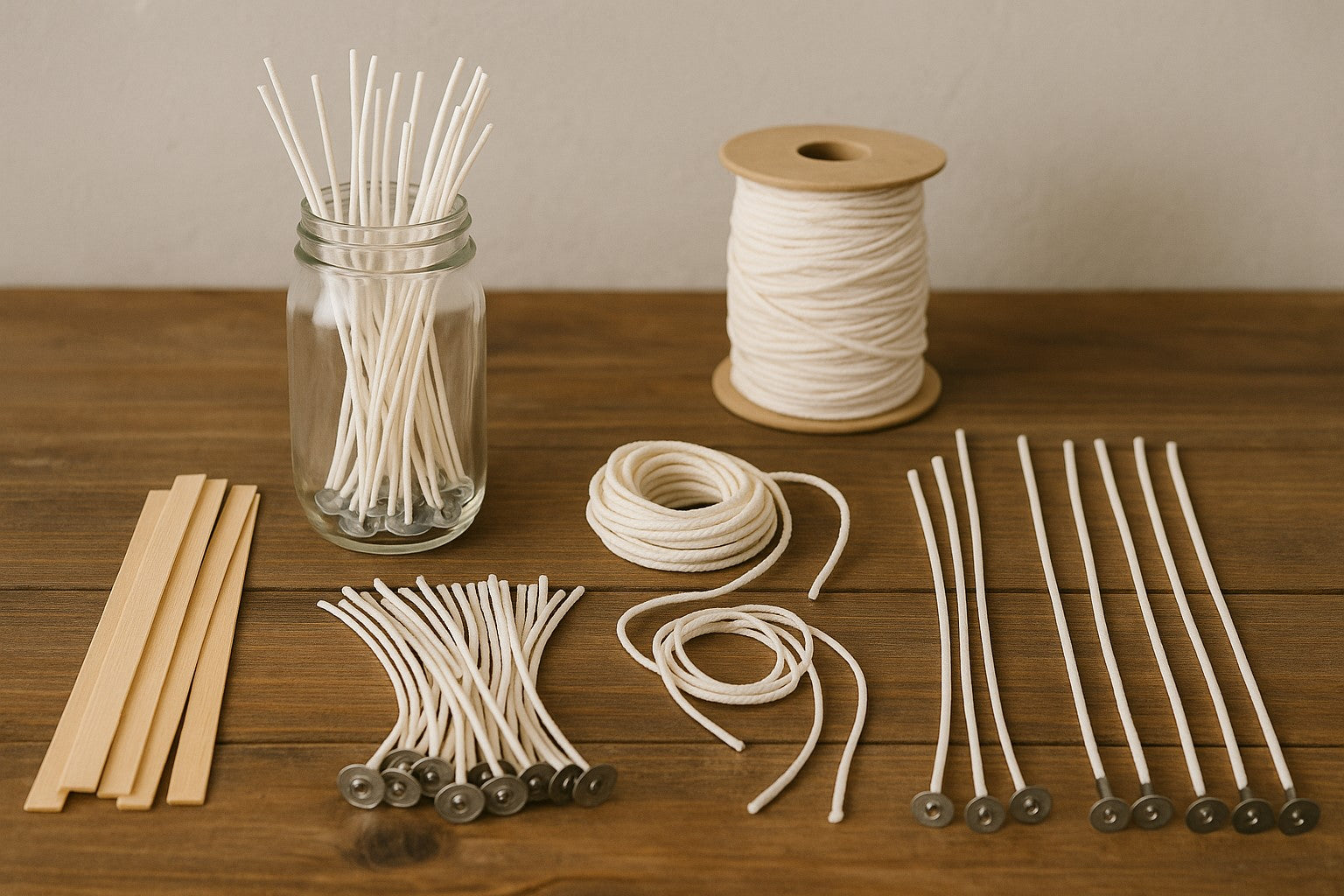
Double wick or upsize the wick if a floral still reads faint after a full cure. More flame, more melt pool, more fragrance released per burn, not more oil poured in.
We take scent throw personally around here. TFC recommends the 6% to 10% fragrance load range and a full cure before any performance judgment.
One more note on discoloration while you're testing loads. Vanilla-heavy florals like rose and peony amber faster at higher fragrance percentages, so if a client needs a pale candle, drop toward the low end of the range and expect a slightly softer throw as the tradeoff. There's no version of a heavily loaded rose candle that stays bright white through a full cure, and no supplier honest with you will tell you otherwise.
FAQ
What are the best floral candle scents?
Rose, jasmine, lavender, peony, and gardenia lead the floral fragrance family for candle making. Rose and peony bring warmth and depth, jasmine and gardenia lean lush and heady, and lavender adds an herbal, calming edge. All five recreate true to bloom in fragrance oil form, though each performs differently once poured into wax.
Do floral candles smell too strong?
The opposite is the more common problem. Florals are naturally soft throwers, so a floral candle is more likely to read faint than overpowering. Getting a strong floral throw takes a higher fragrance load, a full cure, and often a larger wick than a bakery or fruit scent would need.
What pairs well with floral scents?
Citrus lightens a floral and keeps it from reading heavy. Vanilla deepens it into gourmand territory. Woods like sandalwood and cedar ground a floral without covering the bloom. All three pairings work because they add one dimension while leaving the floral itself as the lead note.
Shop Floral Fragrance Oils
Five florals, one shared trait: they all reward a maker who loads generously and cures patiently. Pick a bloom, check the load range against its spec sheet, and give it the full cure before you decide it's not working. Shop the full floral fragrance oils collection and start your next test batch.