Why Your Candle Isn’t Throwing Scent & How to Fix It
Nothing’s more frustrating than a candle that smells amazing in the jar but barely gives off any aroma when you light it. A strong cold throw doesn’t always mean a strong hot throw, and if your candles aren’t performing, a few key factors are likely to blame. From wax and wick issues to fragrance compatibility, getting a candle to smell great while burning is part art, part science—but it’s definitely fixable.
Why Your Candle Has a Weak Scent (Even If It Smells Strong in the Jar)
If your candle smells great in the jar but disappears once it’s lit, you’re not alone. This is one of the most common challenges in candle making. A strong cold throw doesn’t guarantee strong performance during a burn.
The issue often comes down to how well your fragrance oil bonds with the wax. If your wax can’t hold the oil—or if you added it at the wrong temperature—the scent won’t release properly. Wick size also plays a role. Too small, and the wax won’t melt evenly. Too large, and it could burn too hot and destroy the fragrance.
How to Make Candles Smell Stronger While Burning
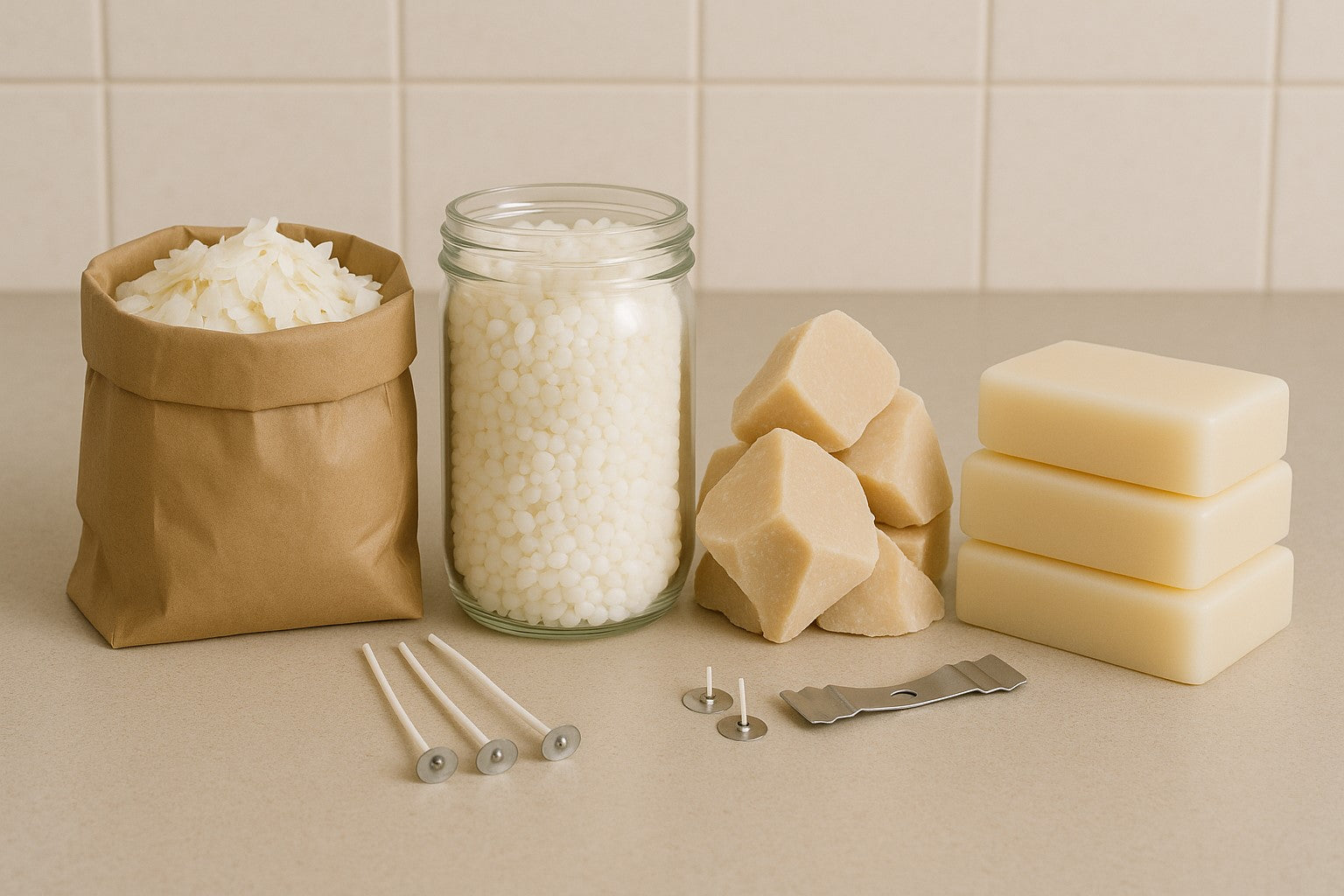
To get a better hot throw, start with your wax. Use a wax that’s known for strong scent performance, like a soy-paraffin blend or a high-performance soy wax.
Fragrance load matters too. Every wax has a max it can handle—typically around 8–10%—and going over won’t help. In fact, it can make things worse. Always heat your wax to the recommended temperature for adding fragrance (check your supplier’s guidelines), and stir slowly but thoroughly to distribute the oil evenly.
Let your candles cure. Most soy or blended waxes need at least a week to fully develop their scent. Skipping cure time is one of the easiest ways to undercut your throw.
Common Candle-Making Mistakes That Kill Scent Throw
Even small errors can hurt your candle’s performance. Here are a few to watch for:
-
Adding fragrance at the wrong temperature
-
Not mixing long enough or evenly
-
Using expired or incompatible fragrance oils
-
Exceeding the wax’s fragrance load
-
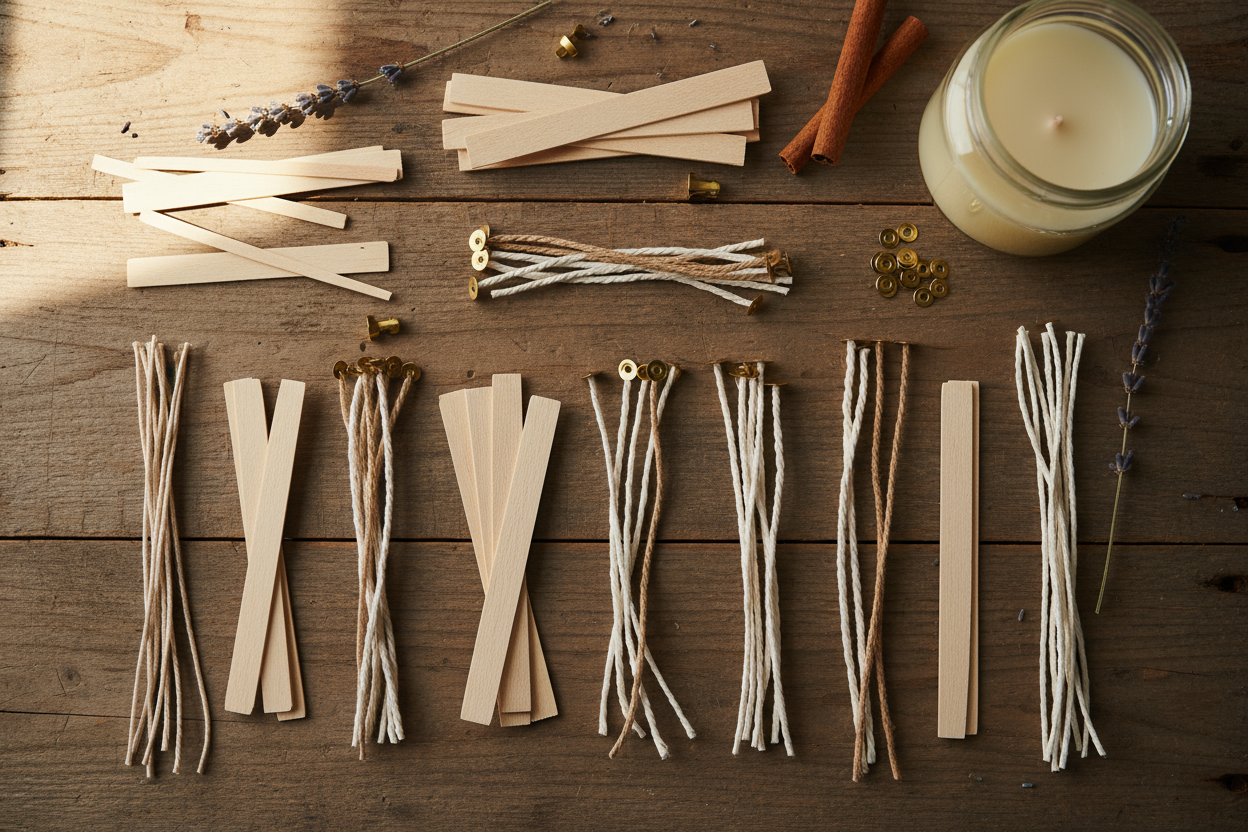
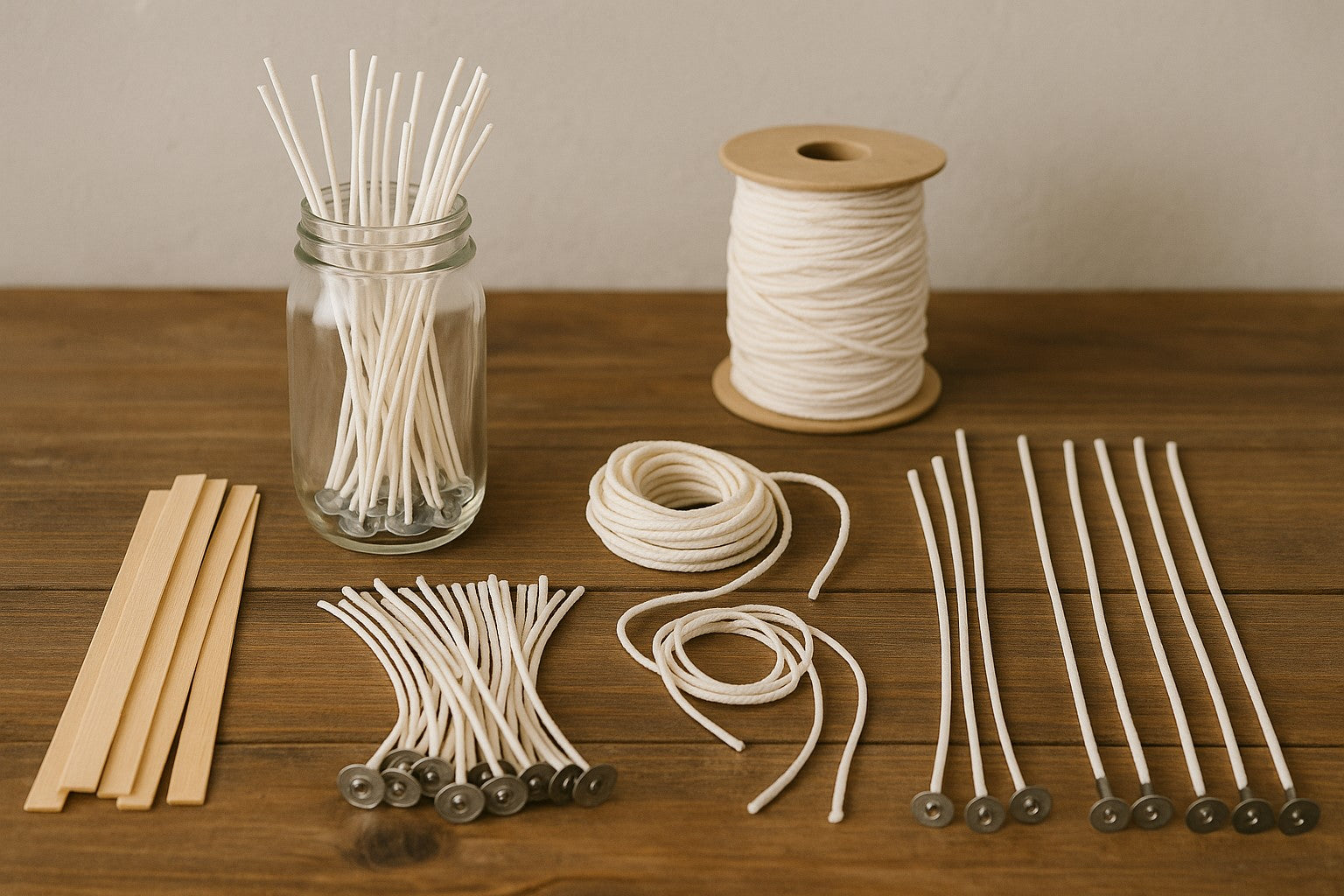
Picking the wrong wick size
More isn’t always better. Too much fragrance oil can cause sweating or clog the wick, leading to uneven burns or weak scent. And always test your fragrance and wax combo before scaling up a batch.
Choosing the Right Wax and Fragrance Oils for a High-Quality Throw
Some oils perform best in paraffin. Others were designed for soy or coconut blends. Matching your fragrance oil with a wax that supports it is key. A wax with a high scent throw capacity paired with a fragrance tested for performance in that wax is the sweet spot.
Stick to tested, candle-safe fragrance oils—those with good reviews for both cold and hot throws. High-quality raw materials tend to yield stronger, more consistent results.
Scent Throw FAQs: Cold vs. Hot, Fixes, and Testing Tips
Why isn’t my scented candle throwing a scent when burning?
Poor hot throw is usually due to low-quality oil, incompatible wax, wrong wick sizing, or improper cure time.
What happens if I add too much fragrance oil?
You can overwhelm the wax, causing oil to seep out or interfere with the burn. It may also create a fire risk. Stick to the recommended load (usually 6–10%).
How can I make a candle smell stronger without switching fragrance oils?
Try upping the fragrance load within safe limits, improving your wick-to-jar match, or switching to a wax known for better throw.
How long should I cure my candles?
Most soy and blended waxes cure best in 7–14 days. Paraffin needs less time, but testing is always key.
Does wick size affect scent throw?
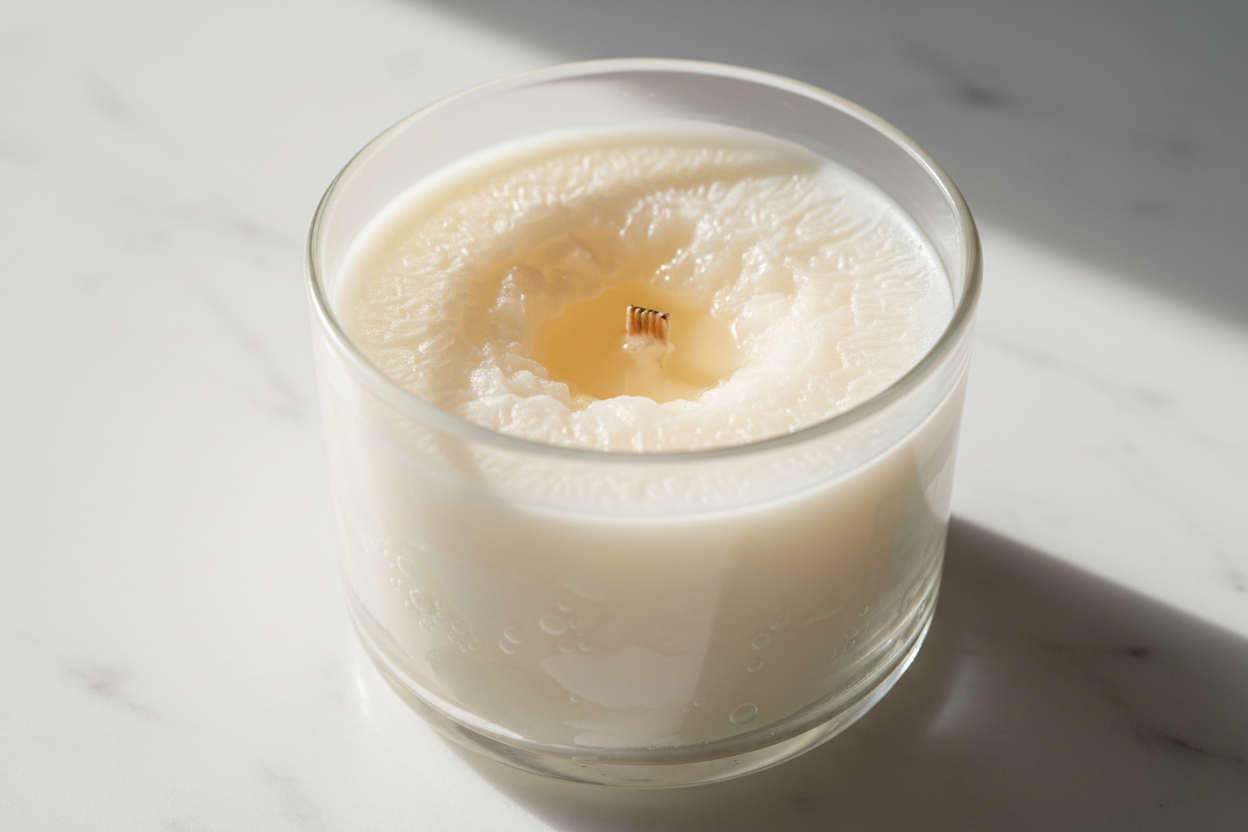
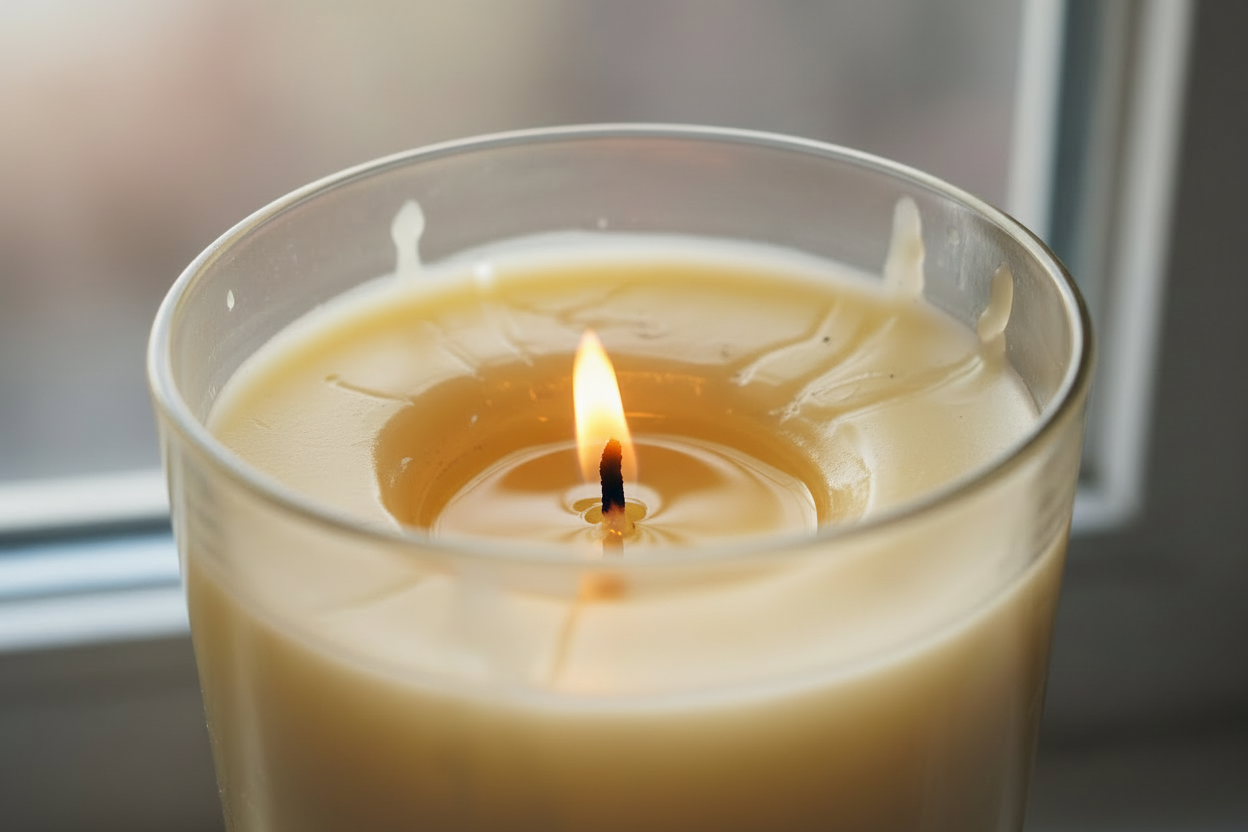
Definitely. The wick controls the melt pool. If it’s too small, the wax won't melt fully and the scent stays trapped. Too large, and the wax may burn too quickly or too hot.
Disclaimer: The Flaming Candle is not responsible for the performance of any recipes or advice provided. Always conduct your own testing and research for safety and performance. For candles intended for sale, follow all applicable labeling guidelines and IFRA standards for fragrance usage.