What Is Paraffin Wax?
Paraffin wax is a petroleum-derived candle wax built for one job: throwing scent loud and clear. It melts between 125°F and 150°F depending on the grade, and it takes colorant more evenly than other waxes. That combination is why paraffin has held its ground in candle studios for over a century, even as soy wax picked up shelf space. This guide covers how paraffin burns, how it compares to soy, whether it's safe, and where it earns a permanent spot in your wax selection.
What Paraffin Wax Is and How It Burns
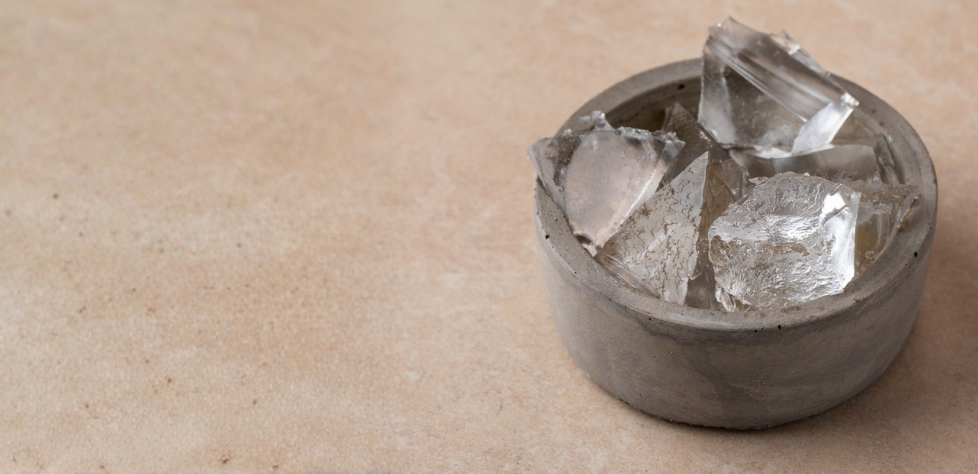
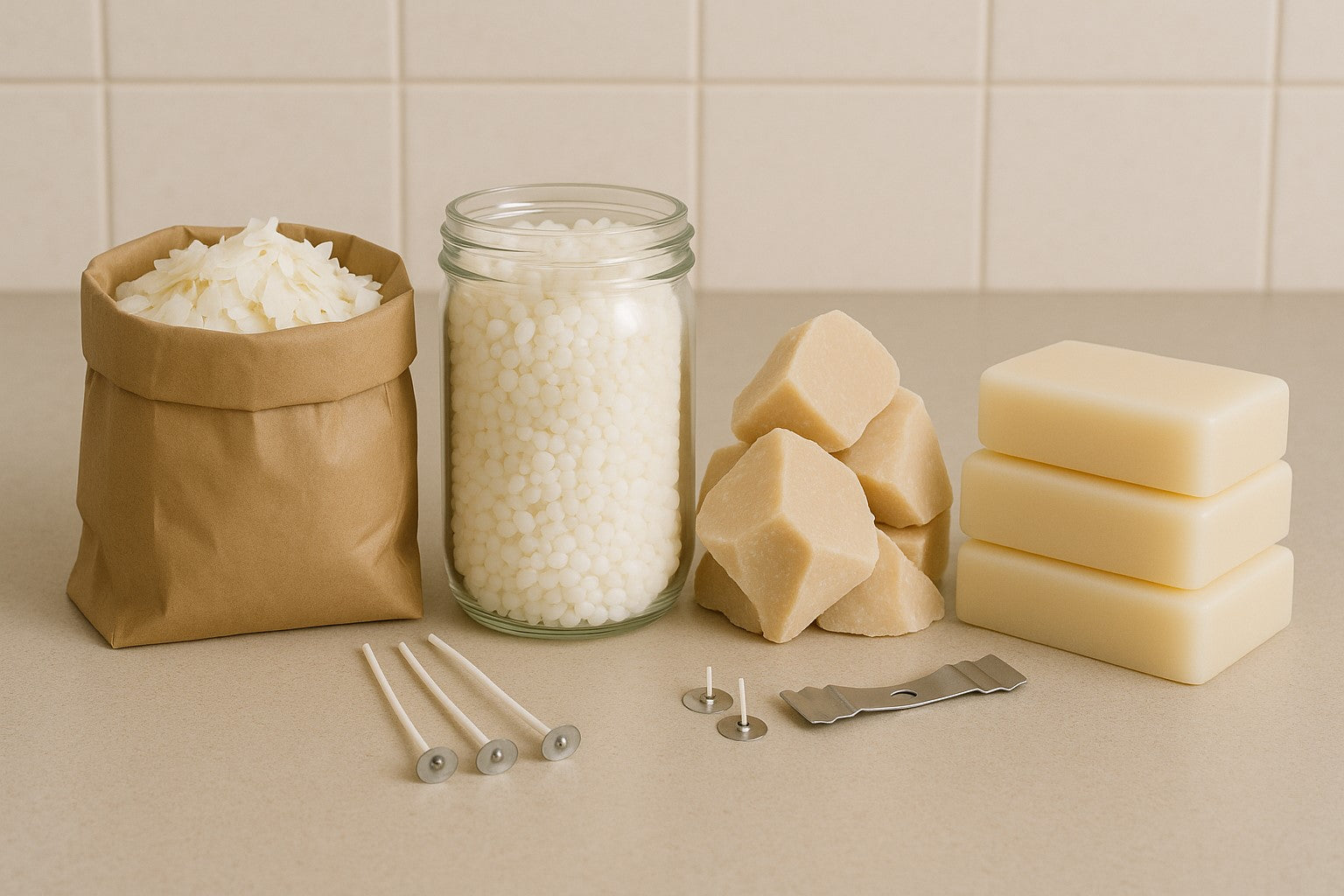
Paraffin comes from refined crude oil, processed until the oils and impurities are stripped out and what remains is a stable, semi-solid wax. Candle-grade paraffin ships in several consistencies, and the grade you pour decides the finished candle's job.
Soft paraffin, melting around 125°F to 130°F, pours into containers and holds a high fragrance load. Medium and hard paraffin, melting up to 150°F, hold their shape for pillars, votives, and wax melts that need to stand freestanding at room temperature.
-
Soft paraffin (125°F to 130°F): container pours, highest fragrance load capacity.
-
Medium paraffin (130°F to 140°F): general-purpose grade, used for votives and some containers.
-
Hard paraffin (140°F to 150°F): pillars and wax melts that need to hold shape at room temperature.
-
Parasoy blend (10 to 50 percent paraffin): balances paraffin's throw against soy's burn characteristics.
The scent throw is where paraffin earns its reputation. Its crystalline structure holds fragrance oil through the pour, then releases it fast and strong once the wick is lit. The hot throw is the entire reason paraffin still gets shelf space in a soy-dominated market.
Paraffin also takes dye more evenly than plant-based waxes, so color stays consistent from the top of the pour to the bottom, batch after batch.
Fragrance load capacity is the other reason paraffin dominates scent-forward lines. Most fully refined paraffin blends hold 6 to 10 percent fragrance oil by weight, and some vybar-enhanced formulas push past that without sweating or frosting. Always check the specific product's spec sheet before pushing fragrance load past what the formulation was tested for.
Paraffin Wax vs Soy Wax
Paraffin and soy solve different problems, and the right pick comes down to what you need the candle to do.
|
Factor |
Paraffin |
Soy |
|
Hot throw |
Strong, consistent |
Softer, more subtle |
|
Burn time |
Shorter per ounce |
Longer per ounce |
|
Appearance |
Smooth, glossy finish |
Matte, sometimes frosted |
|
Melt point |
125°F to 150°F |
120°F to 180°F, depending on blend |
|
Best for |
Scent-forward pours |
Clean-burn, natural-marketed lines |
Paraffin wins on throw. Soy wins on burn time and a cleaner-burning reputation with customers who shop by ingredient. Neither wax is objectively better across the board. It depends on what the label needs to promise and what the nose needs to notice.
Price also separates the two. Paraffin typically runs less per pound than soy wax, crude oil for paraffin and soybean oil for soy, so exact pricing shifts throughout the year.
Makers building a scent-forward line often reach for paraffin or a parasoy blend first, since fragrance oil gets the most direct path to the air in a paraffin base. For a full breakdown of soy's melt point, burn time, and blending ratios, see our guide to what is soy wax .
Is Paraffin Wax Safe?
Short answer: yes. The National Candle Association states that all major candle waxes, including paraffin, soy, and beeswax, burn cleanly and safely when made and used correctly. Soot is a wick and burn-practice issue, not a wax-type issue.
Myth: Paraffin candles release harmful toxins when burned.
Fact: Properly wicked, properly trimmed paraffin candles burn no differently than any other wax recognized by industry safety bodies. Visible soot on a jar usually comes from an oversized wick, a draft, or fragrance oil overloaded past its flash point, not from the paraffin itself.
Flash point matters here too. Fragrance oil pushed past a wax's tested load, or burned with an oversized wick, can smoke regardless of the wax underneath it. That's a formulation and burn-practice variable, not evidence that paraffin itself is unsafe.
The fix for soot is a burn-practice fix, not a wax swap: trim the wick to a quarter inch before every light, keep candles out of drafts, and match wick size to container diameter. For the full troubleshooting list, read our guide to candle soot .
Best Uses for Paraffin
Paraffin performs best anywhere the fragrance needs to carry across a room, not just fill a jar.
-
Container candles chasing a loud, consistent throw. Soft paraffin holds a fragrance load up to 10 percent by weight and releases it fast once lit, which is why most scent-forward container lines start here.
-
Pillars and votives. Medium and hard paraffin hold their shape at typical room temperatures and stand freestanding without a container.
-
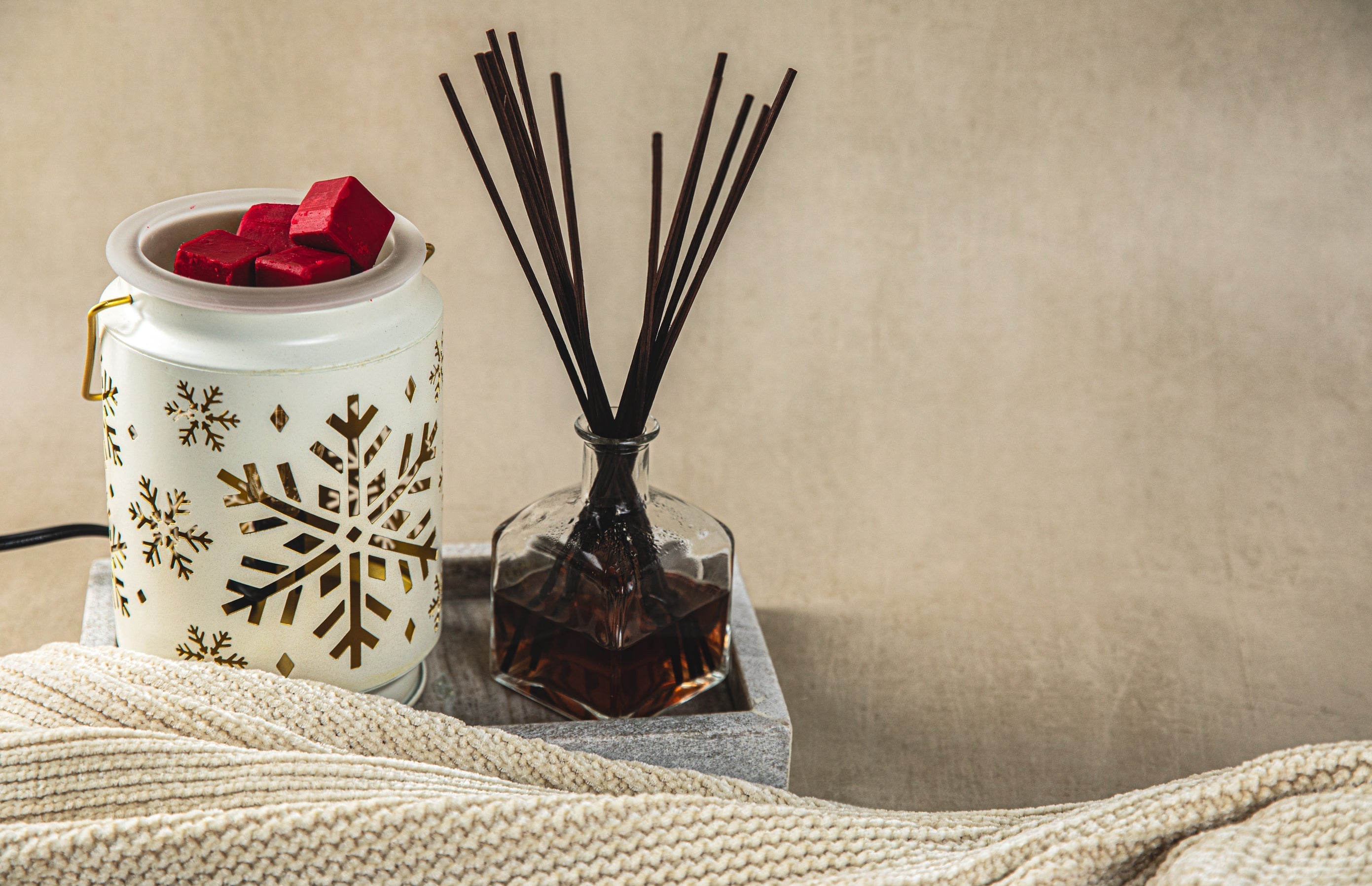
Wax melts. Hard paraffin grades handle repeated melt-and-cool cycles in a warmer without breaking down. See our guide to wax melts for pour ratios and cooling times.
-
Parasoy blends. Mixing paraffin with soy pulls soy's cleaner burn into a base that still throws hard. Blend ratios typically run 10 to 50 percent paraffin depending on the throw you're chasing.
If you need a strong fragrance once the candle is lit, paraffin or a parasoy blend is usually the right call. For more on maximizing throw specifically, our guide to scent throw covers wick size, fragrance load, and cure time. New to pouring altogether? Start with our candle making guide.
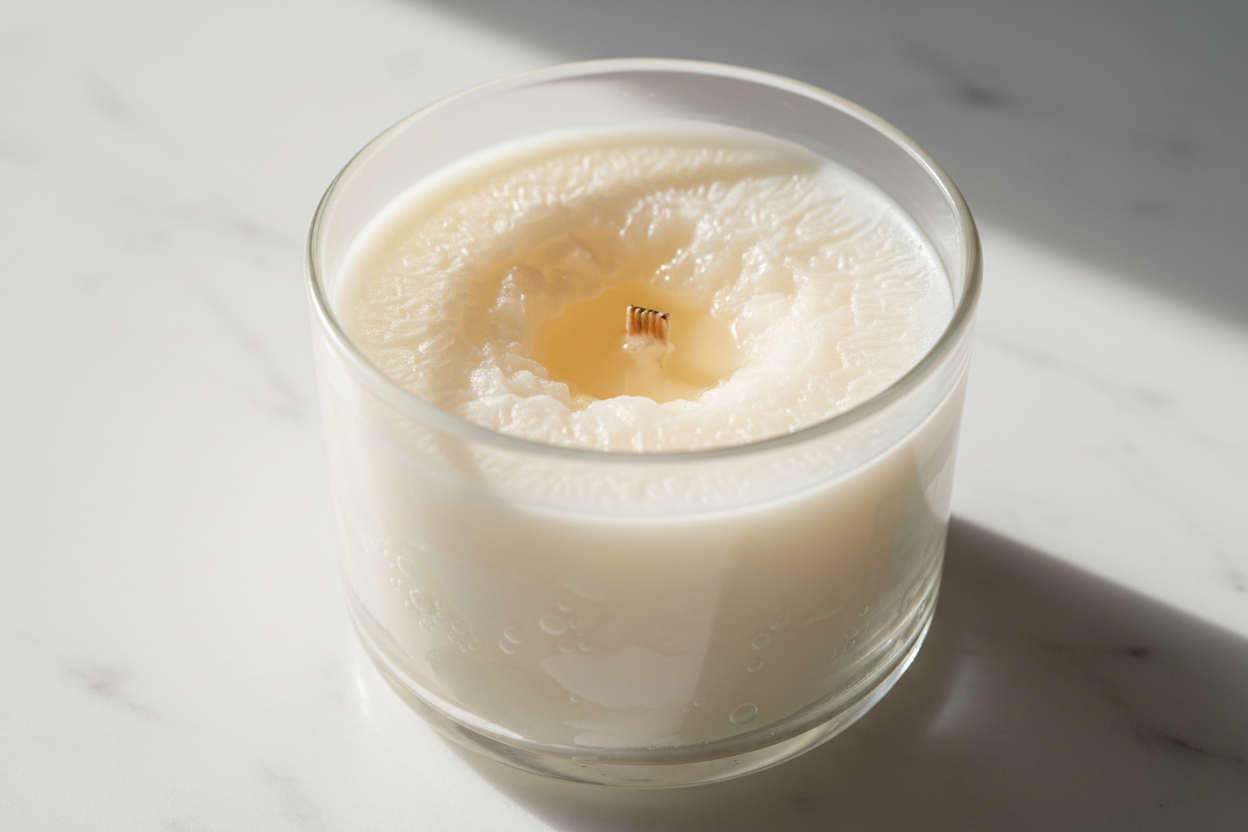
None of this makes soy or coconut blends obsolete. It means paraffin keeps its seat at the table for one clear reason: throw. When the goal is a candle that fills a room the moment it's lit, paraffin and parasoy blends remain the tested, reliable choice. Pour a test batch, compare the throw side by side with your usual soy line, and let the melt pool make the argument for you.
FAQ
Is paraffin wax safe for candles?
Yes. The National Candle Association confirms all major candle waxes, including paraffin, burn safely when properly wicked and maintained. Soot comes from an oversized wick, drafts, or overloaded fragrance oil, not the wax type itself. Trim wicks to a quarter inch before each light and match wick size to your container for a clean burn.
Is paraffin or soy wax better?
Neither wins outright. Paraffin delivers a stronger, more consistent hot throw and takes colorant more evenly. Soy burns longer per ounce and markets well as a plant-based option. Choose paraffin for scent-forward pours and soy for longer burn times and a cleaner-burning reputation.
Does paraffin wax throw scent better?
Generally, yes. Paraffin's crystalline structure holds fragrance oil through the pour and releases it strongly once lit, which is why scent-forward candle lines lean on it. Soy can still perform well with the right fragrance load and cure time, but paraffin remains the benchmark for hot throw.
What is paraffin wax made of?
Paraffin is refined from crude oil. Refiners strip out oils and impurities from petroleum until what remains is a stable, semi-solid wax that melts between 125°F and 150°F depending on the grade. That refining process is also why paraffin takes dye and fragrance oil so consistently, batch after batch.
Shop Paraffin and Blended Waxes
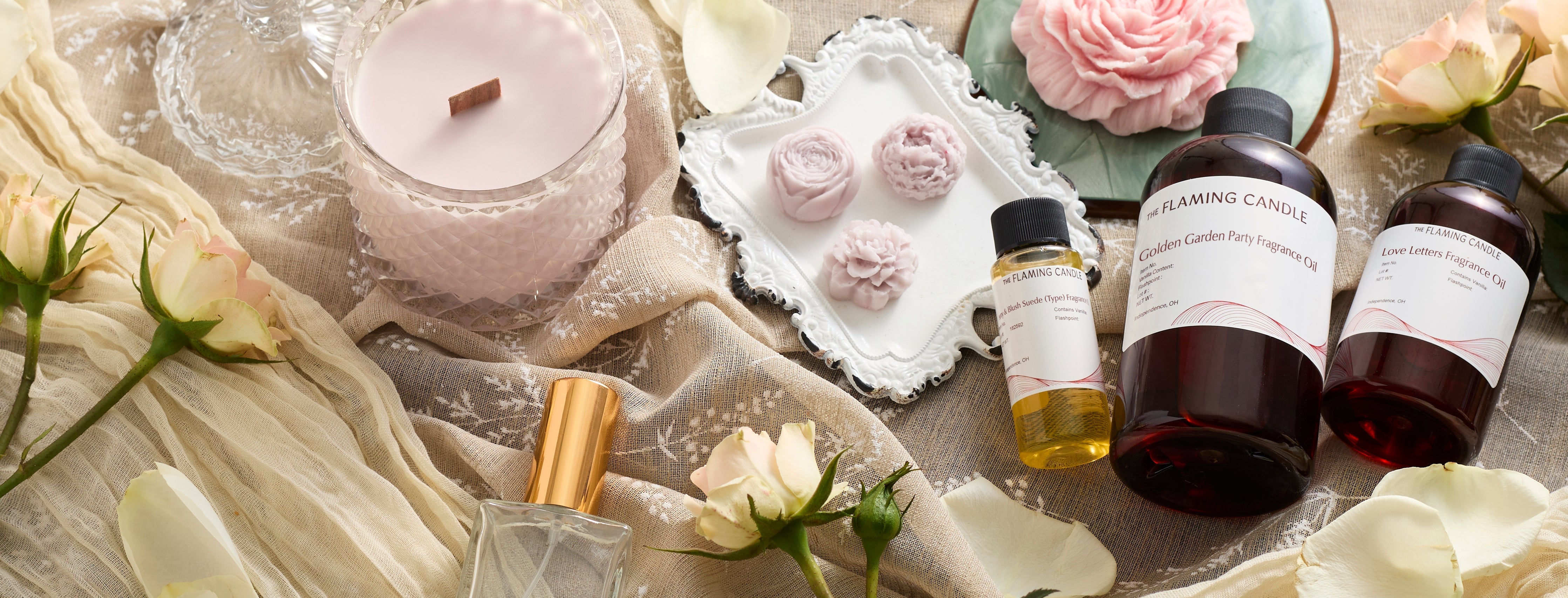
Ready to test a batch? Shop our paraffin wax and blended waxes , then pair your pour with a fragrance oil built to perform from our fragrance oil lineup.