How to Make Wickless Candles (Wax Melts)
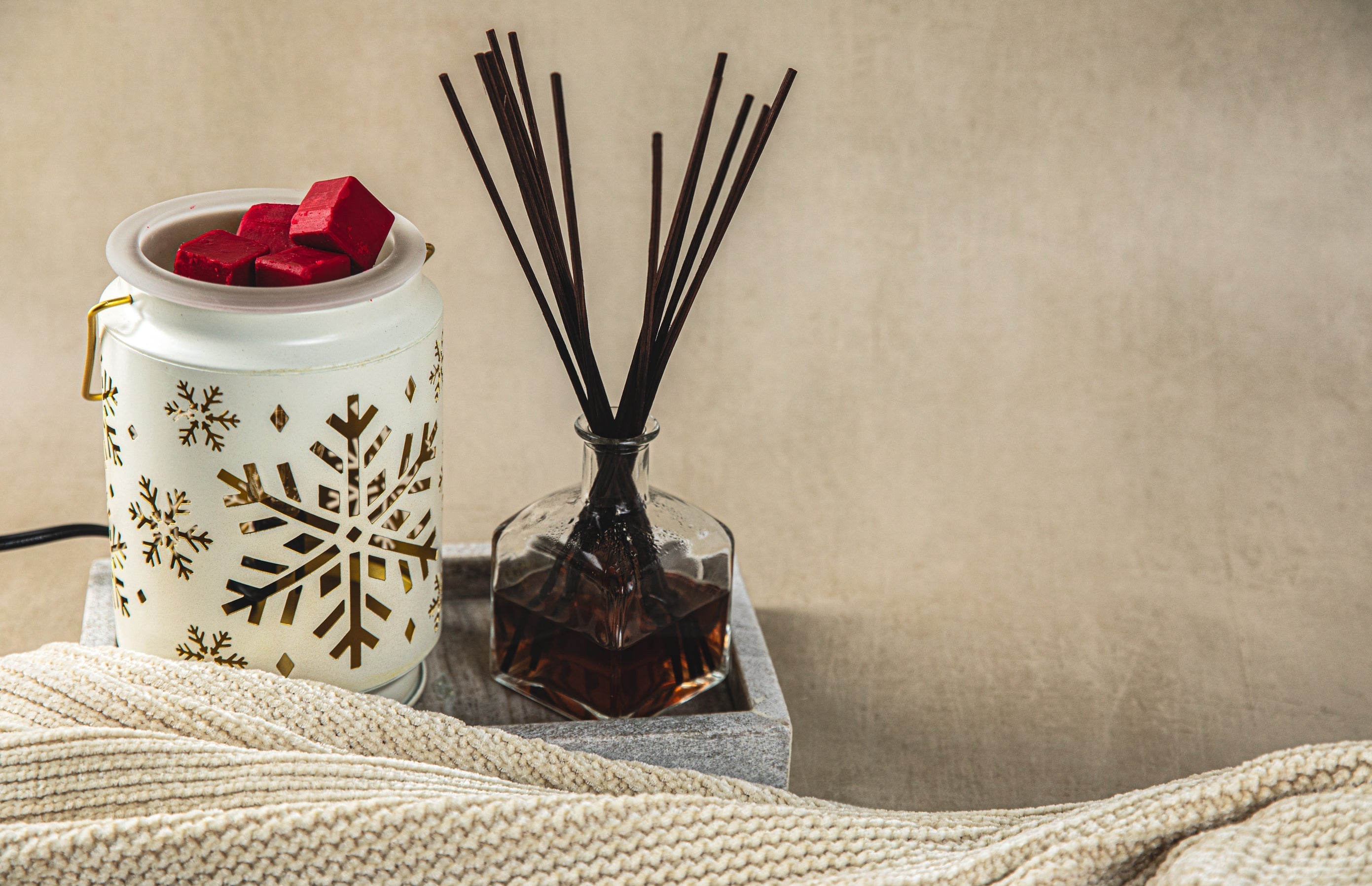
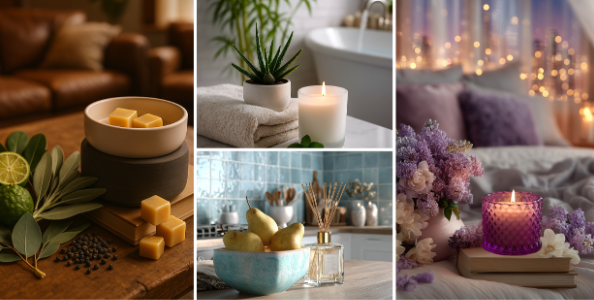
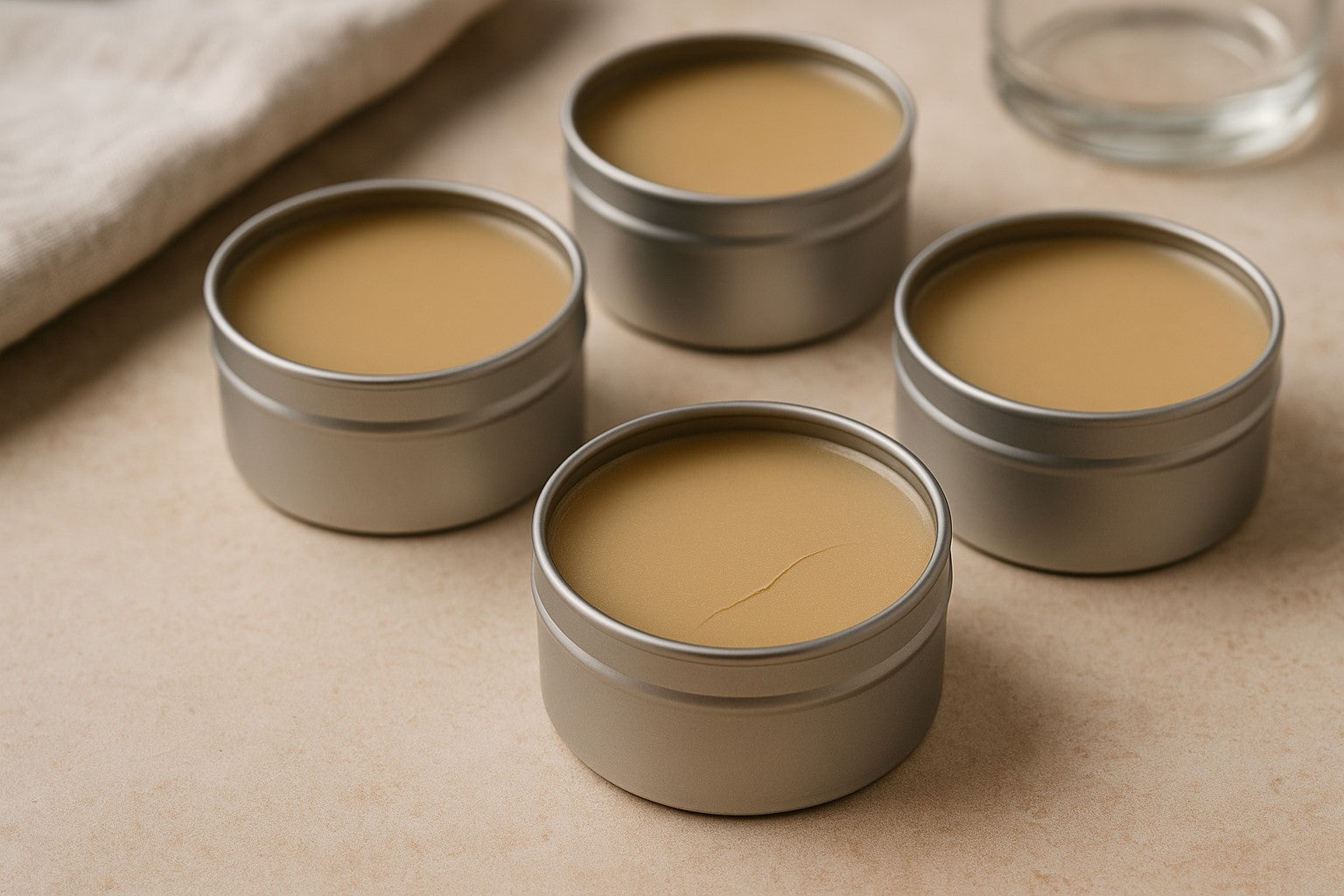
Wickless candles, better known as wax melts, are scented wax you warm instead of burn. No wick, no flame, no soot, just a warmer, a mold-shaped piece of wax, and a fragrance that fills the room like it means it. They show up as clamshells, cubes, and shaped tarts, and every format works the same way: heat releases the scent, no match required. It's one of the easiest ways into candle making, and a project seasoned pourers keep coming back to, because a melt lets fragrance do all the talking. Here's the wax, the fragrance load, and the melt-to-mold-to-cure process that gets you a wax melt worth repeating.
What You Need
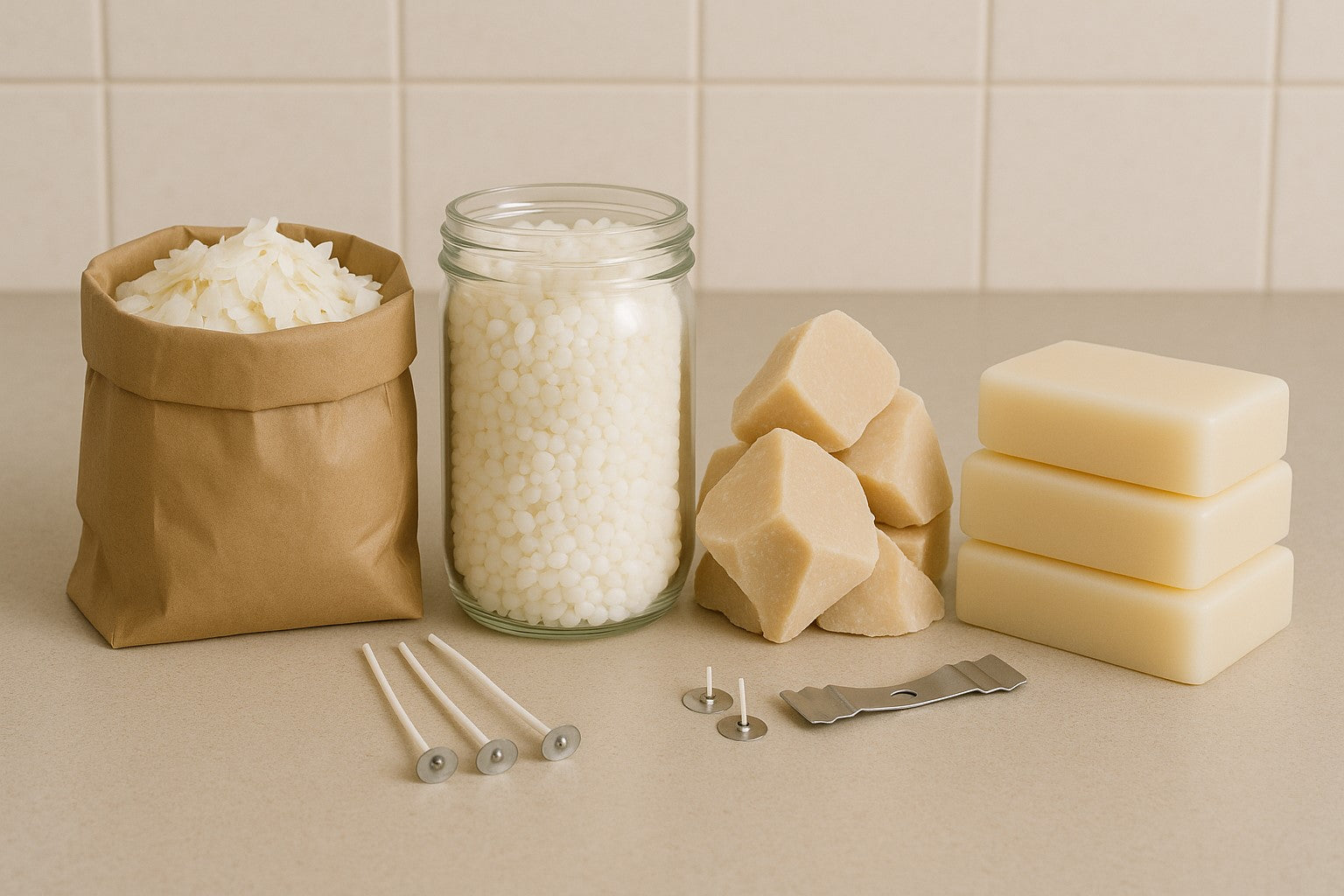
Four things stand between you and a finished batch: wax made for melts, a fragrance oil, clamshell and silicone molds, and a wax warmer to prove it all works.
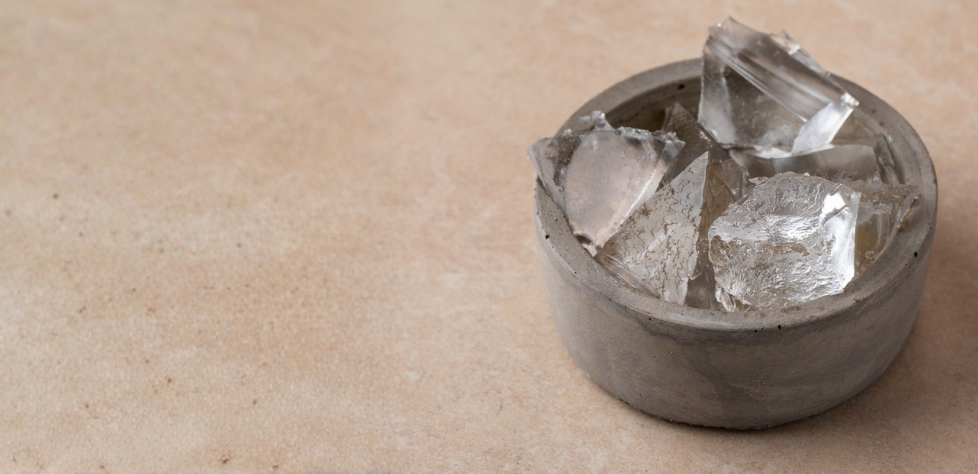
Skip straight container wax here. Wax for melts is formulated to release cleanly from a mold and to hold more fragrance without turning greasy, soft, or sweaty at the surface. That matters once fragrance goes in at 6 to 10 percent of the wax weight, a heavier load than most wicks can handle. A harder, more brittle wax blend also snaps cleanly out of a clamshell cavity instead of sticking or crumbling, which is exactly what a melt needs, and a container candle never has to worry about.
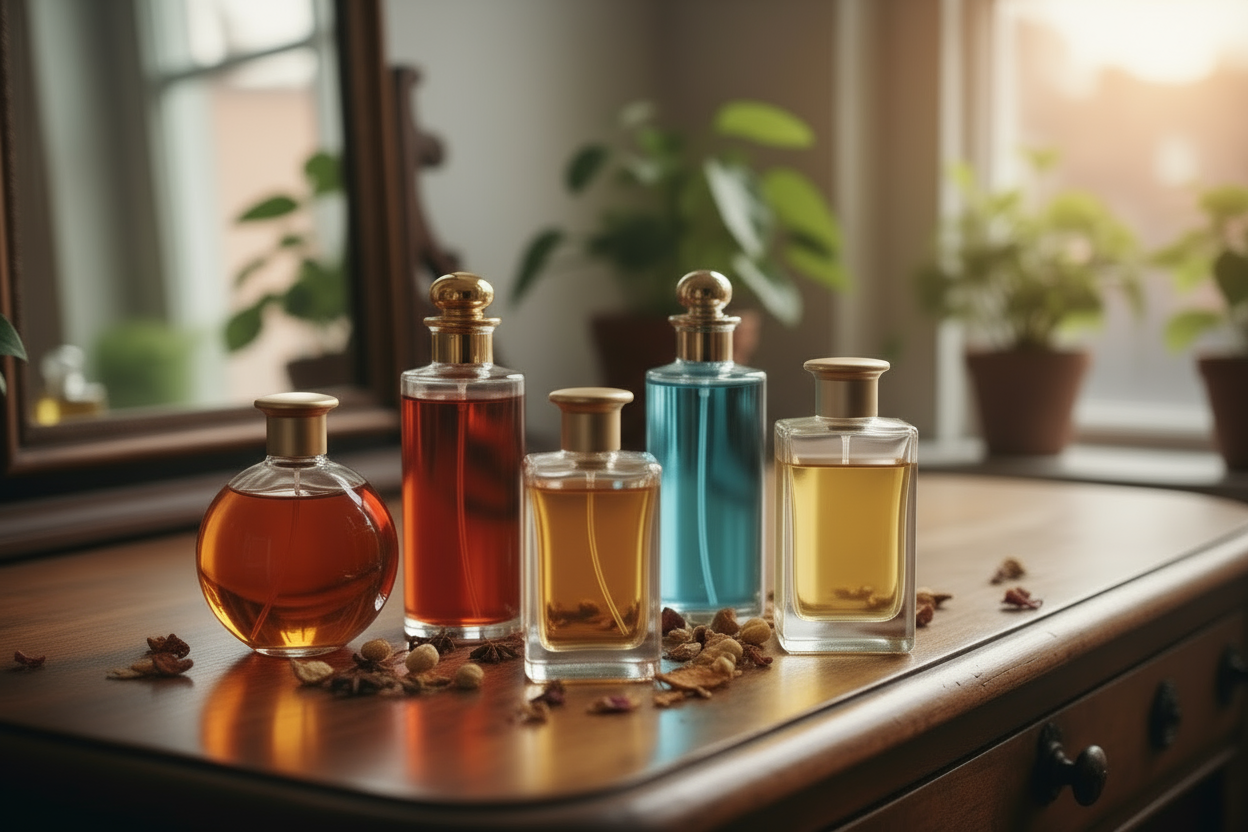
Pick a fragrance oil built for hot throw rather than a light or inconsistent scent. Pour into clamshell and silicone molds sized for warmers. Then test the finished melt on an actual wax warmer. Plate-style warmers run hotter and faster; bulb warmers run gentler and slower.
How to Make Wax Melts, Step by Step
-
Melt the wax. Melt your wax for melts in a double boiler or a dedicated wax melter until it reaches about 185°F. Work on a protected, heat-safe surface. Melted wax holds heat longer than water and burns on contact.
-
Add fragrance. At that same temperature, stir in fragrance oil at 8 to 10 percent of the wax's weight. Check the wax's own spec sheet for its listed maximum. Melts can often run near the top of that range since there's no wick to clog, but every wax has a ceiling worth respecting.
-
Pour. Let the wax cool to a 130 to 140°F pour temperature, then pour into clamshells or silicone molds. Pouring too hot risks sink holes and frosting as the wax cools, while pouring too cool risks a rough top and poor mold release. And you don’t want to melt your clamshell.
-
Cure. Let the melts sit for 24 to 48 hours at minimum, up to a full week for peak scent throw, before testing them on a warmer. Fragrance oil needs time to bind fully with the wax, and a rushed cure reads as a weak throw that isn't actually weak, just impatient.
Three details carry the whole batch: melt temperature, fragrance percentage, and cure time. Once those are set, the rest is just pouring.
Best Wax and Fragrance for Strong Melts
A wax melt can often run toward the top of the general candle fragrance-load range, about 6 to 10 percent, and sometimes past it, since there's no wick left to clog. Confirm the true ceiling on your wax's own spec sheet before committing a full batch to an untested percentage.
Brittleness matters as much as load. A melt wax formulated to be firm and slightly brittle releases clean from a clamshell cavity, holds its shape through shipping, and snaps apart along the pour lines instead of tearing. A softer, container-style wax can carry fragrance just fine and still fail on the shelf, sticking to the mold or slumping at room temperature.
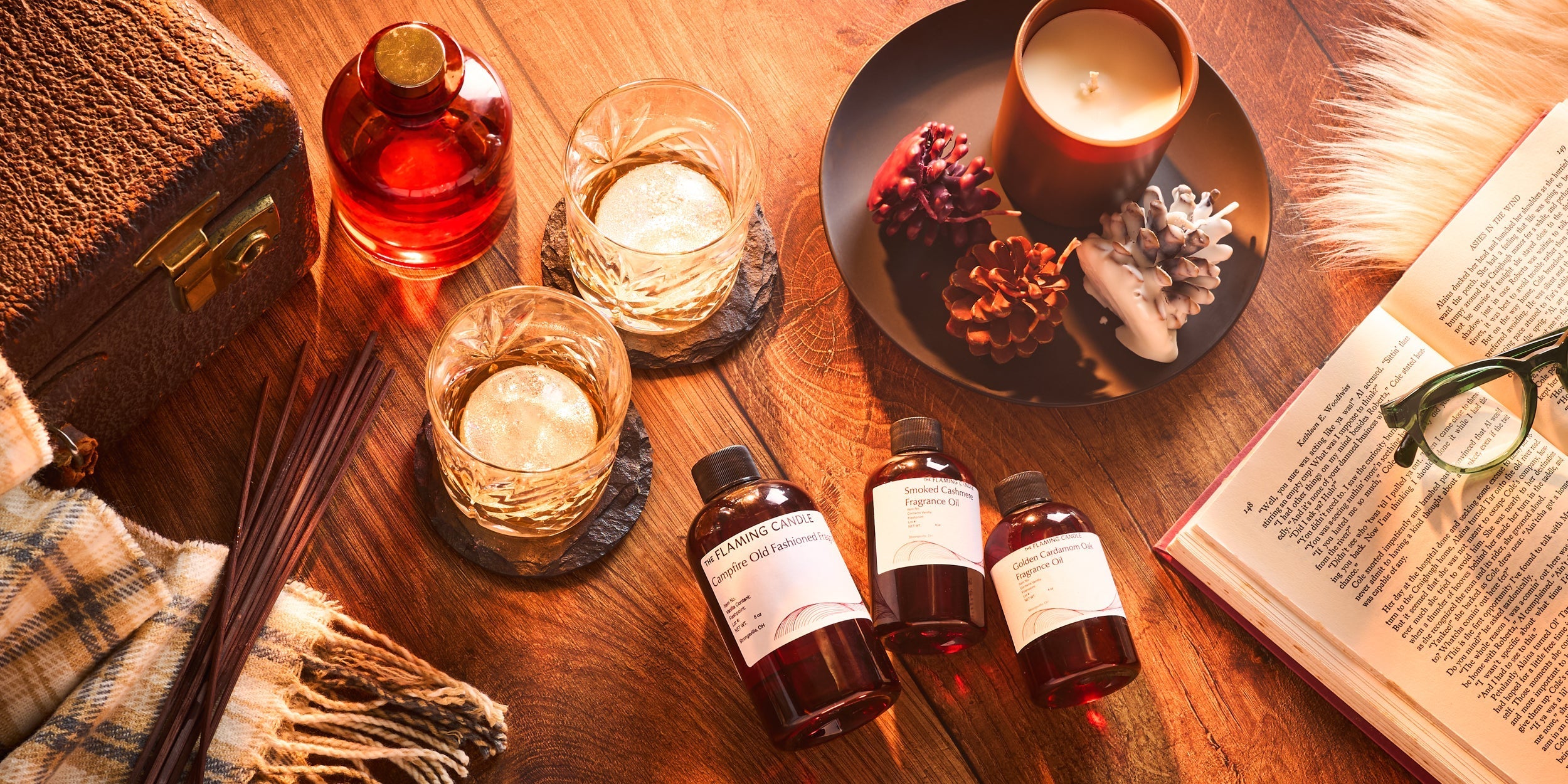
The choice between an essential oil and a fragrance oil matters too. Fragrance oils are engineered for exactly this kind of sustained heat and hold, while essential oils tend to throw lighter and less consistently once a warmer is involved. Work through the tradeoffs in fragrance oils before you commit a scent to a full batch.
Wax melts are where fragrance gets to show off. No wick to slow things down. Just wax, fragrance, and a warmer doing exactly what they're supposed to.
Wickless Ideas & Uses
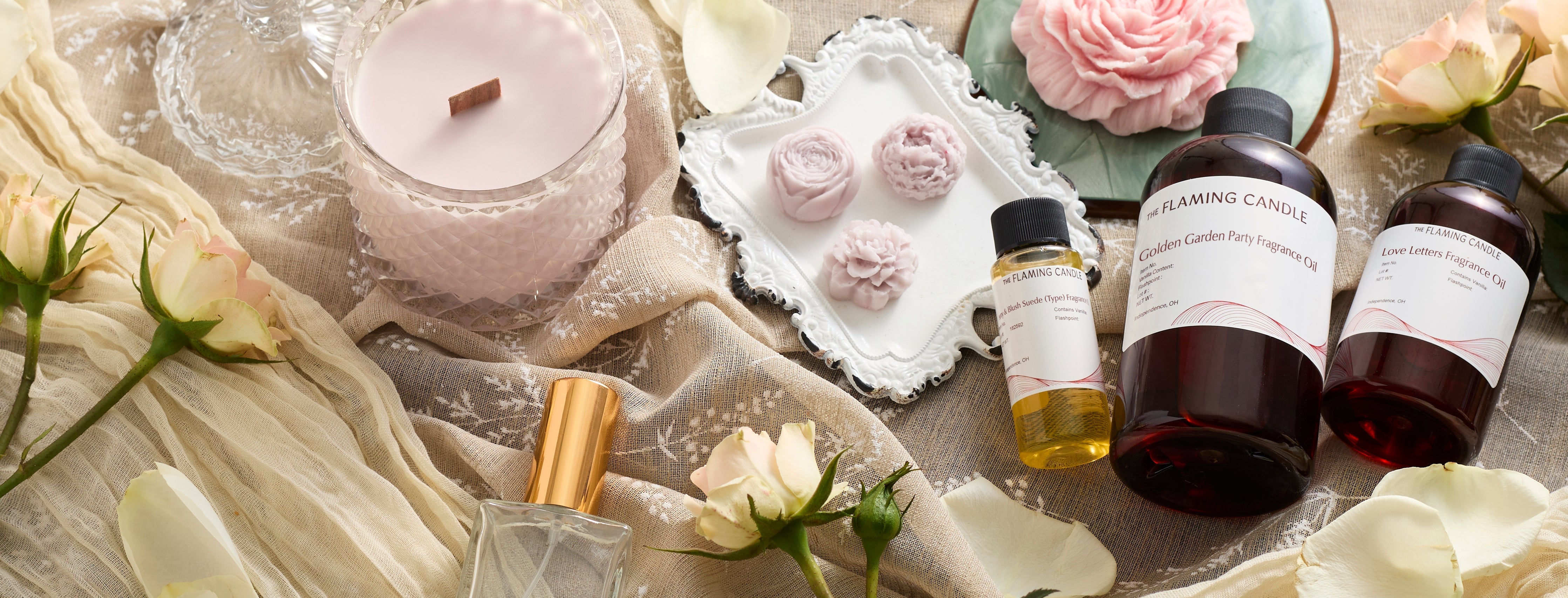
Once you've nailed your base recipe, wax melts become more than a weekend project—they become a collection. Change the mold, the shape, or the packaging to create fresh products without changing your process. If you’re really ready to experiment, try layering two complementary fragrances in the same melt for a scent that evolves as it warms. Pair a top note and a base note that shift as the melt heats through.
Swap between clamshells, snap bars, and silicone molds to create products for every season, style, or customer. One fragrance becomes seashells for summer, pumpkins for fall, or hearts for Valentine's Day with nothing more than a mold change. It's one of the easiest ways to expand your lineup without reinventing your process.
Wax melts also make an easy on-ramp if wickless was only the beginning. When you're ready to build out into full pours, our candle making guide covers wicks, containers, and everything a wickless batch skips.
FAQ
What is a wickless candle?
A wickless candle, also called a wax melt, is scented wax with no wick built in. Instead of burning it, you warm it on an electric or tealight warmer until it liquefies and releases fragrance. It skips the flame and soot of a burning candle and still fills a room, often the easiest starting point in candle making.
What wax is best for wax melts?
Wax formulated specifically for melts performs best, since it's built to hold a higher fragrance load and release cleanly from clamshells or silicone molds. Straight container wax can work in a pinch, but it's optimized for burning around a wick, not for the higher fragrance percentages and easy release a melt needs.
How much fragrance do you add to wax melts?
Most candle wax carries a fragrance load between 6 and 10 percent of the wax's weight. Wax melts can often run toward the top of that range, or slightly past it, since there's no wick to clog. Always confirm the exact maximum on your specific wax's spec sheet before scaling up a batch.
Are wax melts safe?
Wax melts are safe when used with a warmer rated for the wax and kept away from children, pets, and anything flammable. Because most warmers use heat instead of an open flame, melts avoid the soot and fire risk of a burning wick, though the wax and warmer plate still get hot enough to burn skin on contact.
Ready to Pour
Wax melts reward the maker who takes fragrance load seriously and fully cures the batch instead of rushing it. Restock your bench with wax for melts , clamshell and silicone molds , and fragrance oils worth obsessing over, then let a wax warmer do what a wick never could.