What is Soy Wax? A Guide to This Natural Candle-Making Material
Soy wax is a natural, vegetable-based candle wax pressed from soybean oil, and it has become the wax of choice for makers who want a clean burn without giving up performance in candle making . Soy holds its own on scent, burns longer than most alternatives, and carries a label customers already trust. Let's break down how it performs, how it compares to paraffin, and what to expect when you pour with it.
What Soy Wax Is and How It Burns
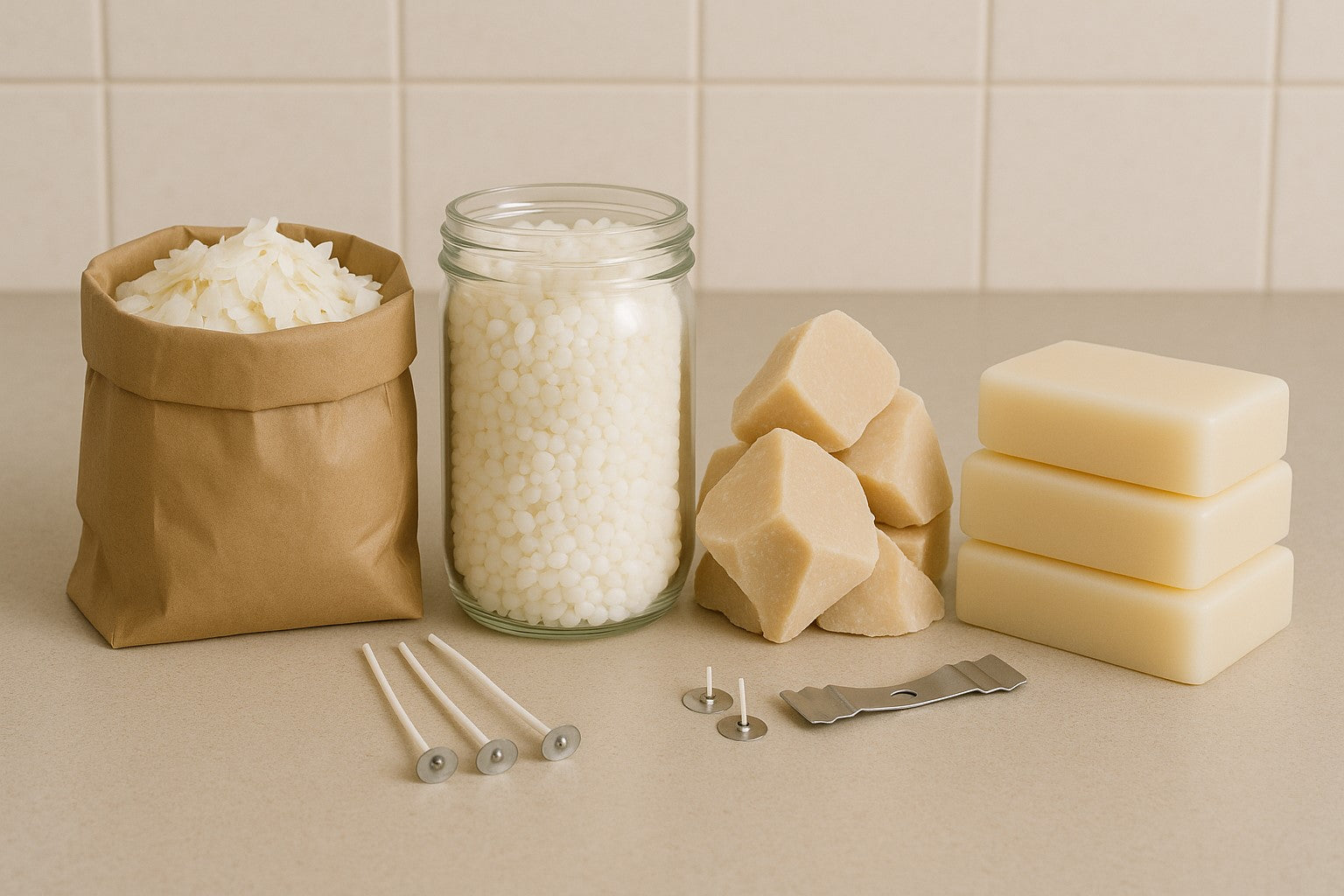
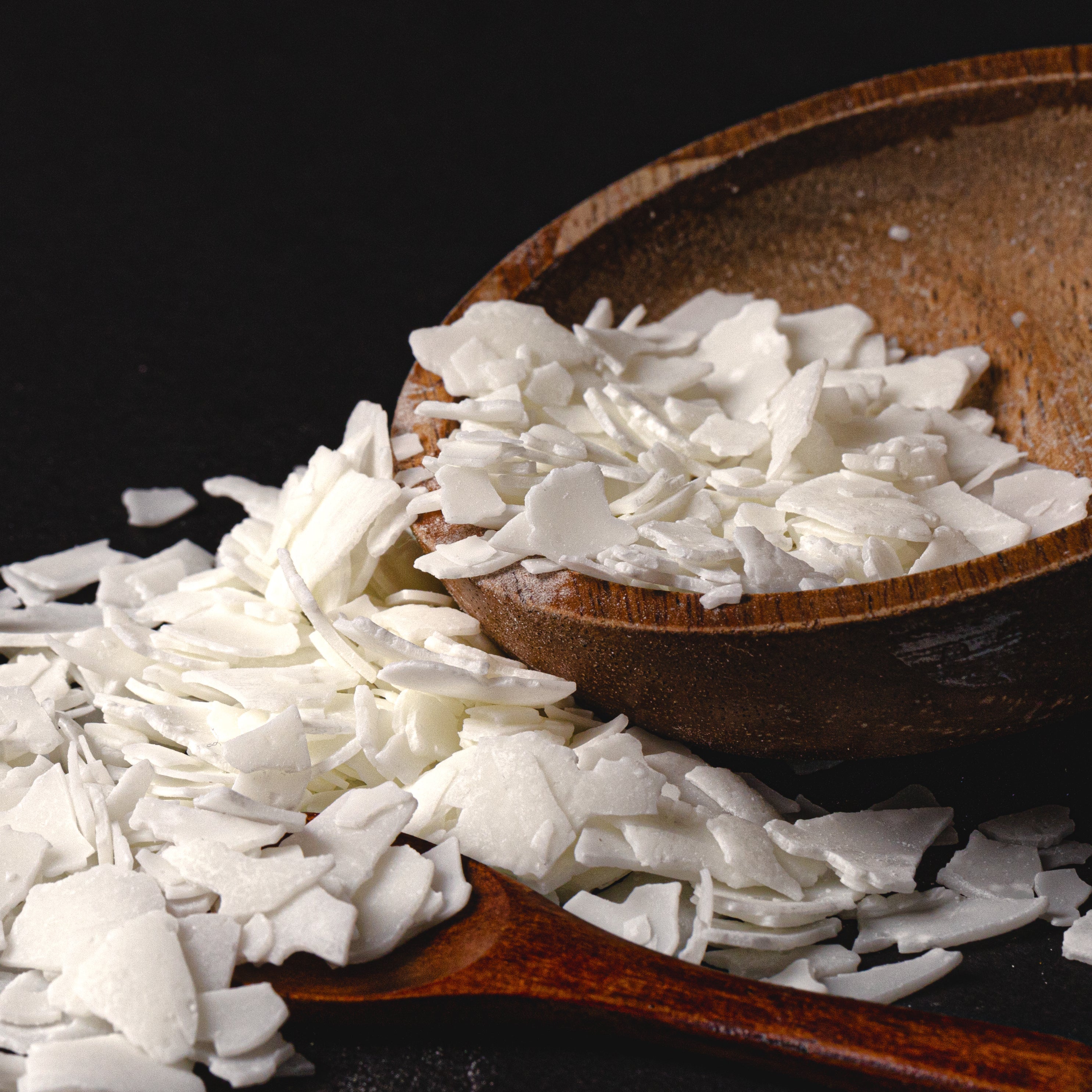
Soy wax starts as soybean oil that has been hydrogenated, meaning hydrogen is added to turn the liquid oil solid at room temperature. That process gives soy a lower melt point than paraffin, generally 120 to 130°F, so candles poured in soy tend to have a softer, creamier look and a gentler melt pool.
That lower melt point is not just cosmetic. One of soy's biggest perks is more hours with the fragrance you picked. A well-wicked soy candle typically burns 30 to 50% longer than the same-size paraffin candle. Slower, cooler burns mean fewer wasted ounces and more hours of fragrance per pour.
If you are building a natural line, or just answering the customer who asks what is actually in the jar, soy gives you a clean answer: soybean oil, hydrogenated, nothing synthetic.
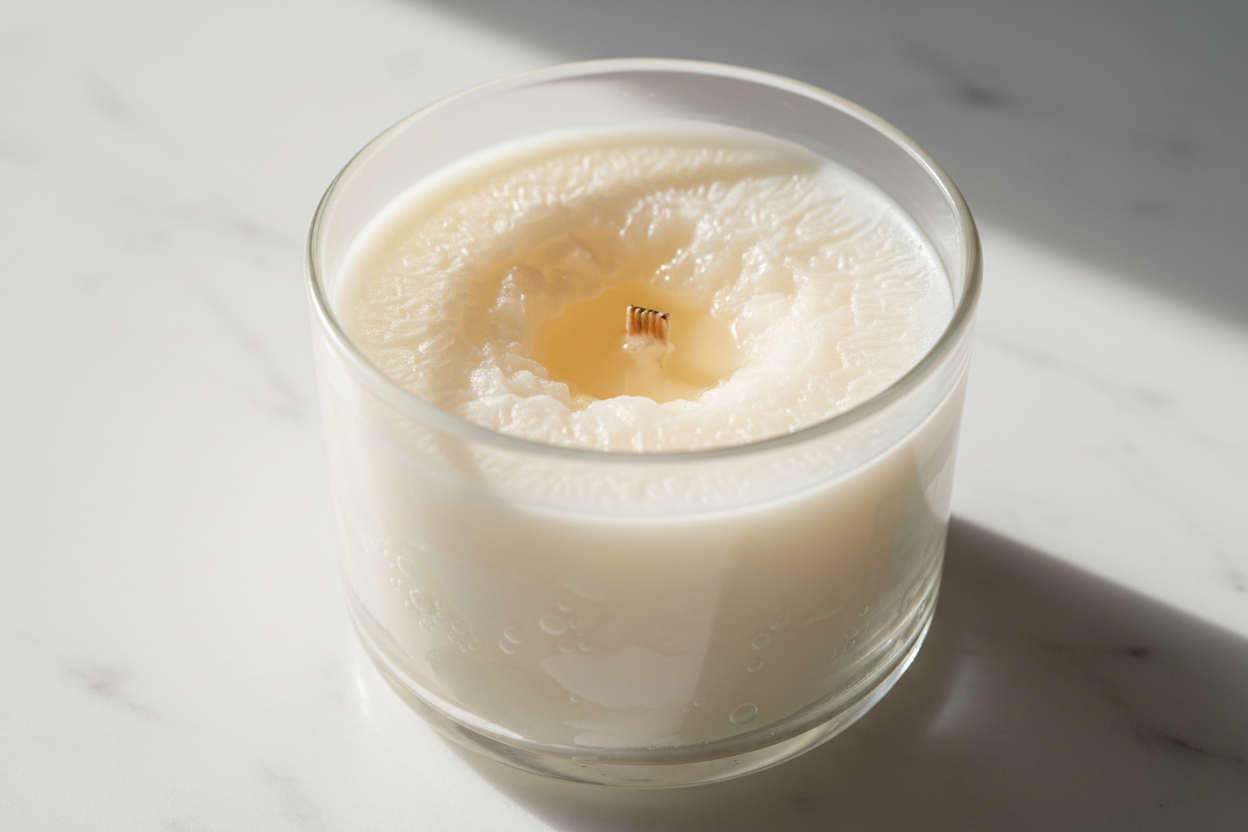
Pure soy is not the only version on the shelf. Plenty of makers pour soy-blend waxes , soy mixed with a small percentage of paraffin, coconut wax, or additives, to firm up the set, tighten glass adhesion, and reduce frosting. That white, crystalline bloom you sometimes see on a soy candle is frosting, and it is a natural result of the wax recrystallizing as it cools, not a flaw in your pour. A slower cool-down, a consistent pour temperature, and the right additive can minimize it, but a soy purist will tell you frosting is simply soy being soy.
Soy vs Paraffin
Soy and paraffin solve different problems, and the honest answer to "which is better" depends on what you’re pouring for. Here’s how they actually compare:
|
Category |
Soy Wax |
Paraffin Wax |
|---|---|---|
|
Burn time |
30 to 50% longer, same-size candle |
Shorter, faster burn |
|
Cold throw |
Strong, holds scent well before lighting |
Moderate |
|
Hot throw |
Good, with proper wick, load, and cure |
Typically stronger straight out of the pour |
|
Appearance |
Softer, creamier, can show frosting |
Glossier, harder finish |
|
Wax source |
Soybean oil, renewable crop |
Petroleum byproduct |
Paraffin hot throws hard right out of the pour, which is why it still dominates where the goal is maximum fragrance with minimal fuss. Soy asks for a little more technique, meaning the right wick, a proper fragrance load, and a proper cure. In return, it gives you a longer burn and a cold throw that sells candles before anyone strikes a match. For the full paraffin side of this comparison, read our guide to what is paraffin wax .
Cost is part of the decision too. Soybean oil costs more to grow, harvest, and process than paraffin does to refine from petroleum, so soy and soy blends generally run higher per pound at the supplier level. That difference shows up on your price tag, and it is one more reason to know your customer before you pick a wax. A shopper buying on scent alone may not notice which wax is in the jar. A shopper buying on ingredients will read the label first.
Neither wax is the villain here. Soy and paraffin are tools, and knowing which one fits the pour in front of you is half the job.
Scent Throw with Soy (Getting It Right)
Soy has a reputation for being a "softer throw" wax, and that reputation is only half deserved. Soy is pickier about technique than paraffin, not weaker at scent.
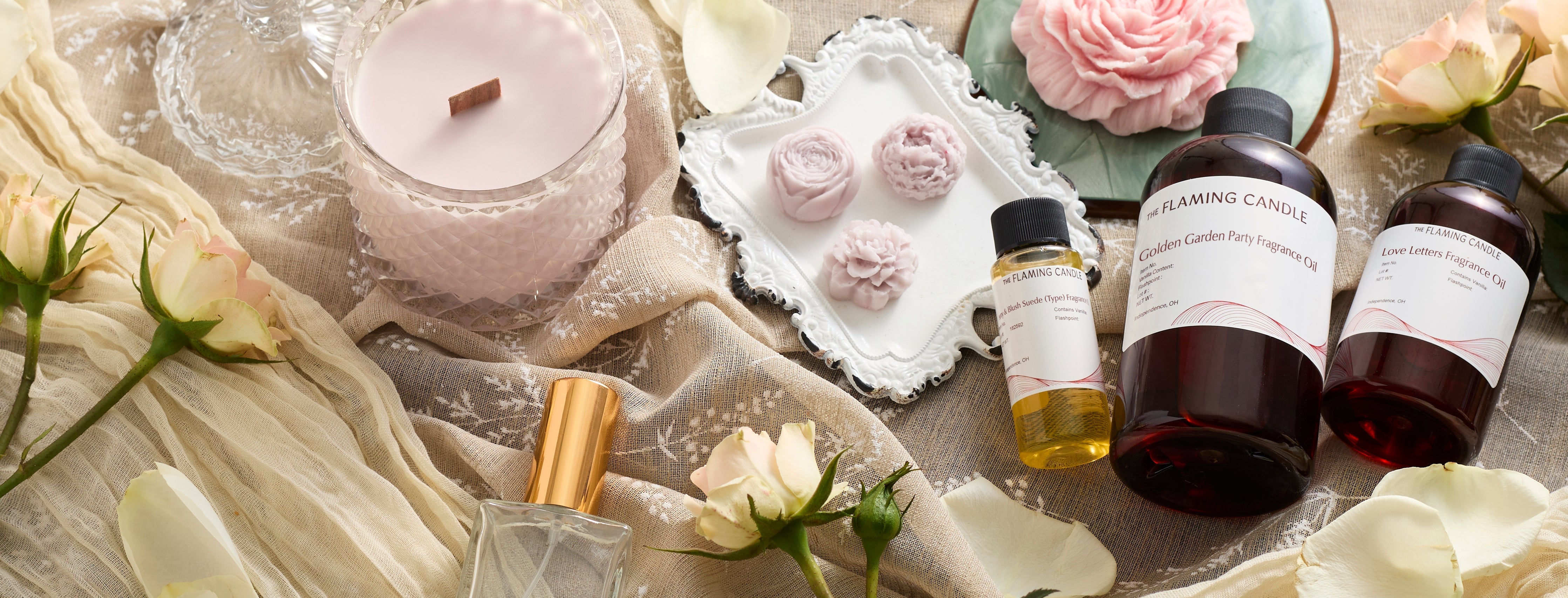
As mentioned above, three things move the needle: wick, fragrance load, and cure time. An undersized wick starves the melt pool and mutes hot throw no matter how much fragrance oil went into the batch. An 8 to 10% fragrance load gives soy enough oil to carry scent without drowning the wax or causing it to sweat. And soy needs a real cure, about two weeks, for fragrance to fully bind before that candle earns a strong first light.
Get those three right and soy holds fragrance beautifully, on the shelf and in the room. For a deeper walkthrough on nailing throw in any wax, see our guide on scent throw .
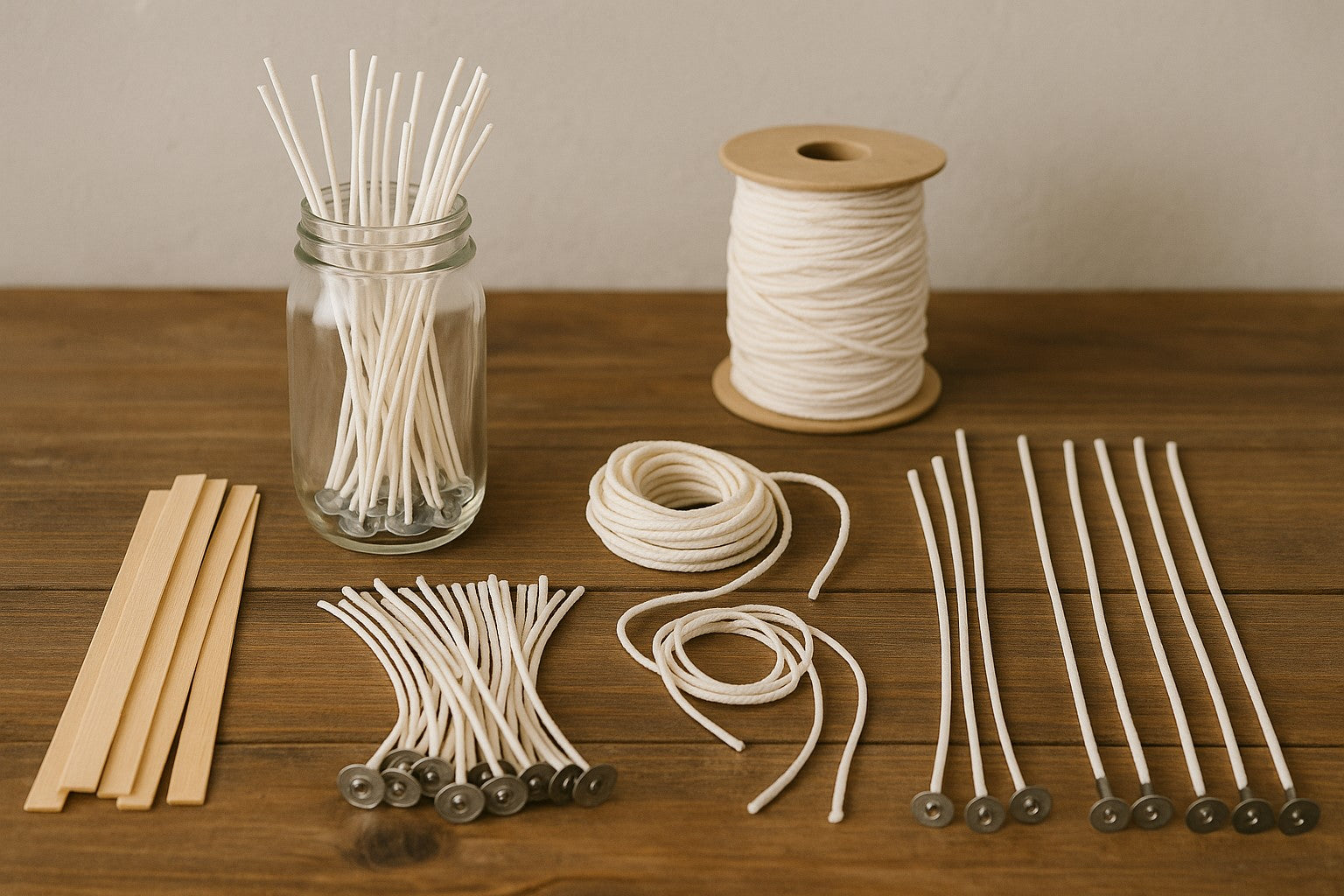
Wick selection deserves its own mention here, because soy and paraffin don’t always take the same wick well. A wick sized for paraffin can burn too cool in soy, tunneling instead of building a full melt pool. Start from a wick manufacturer's chart for your specific soy blend, choose wicks built for soy , then burn a test candle the full width of your container before you commit to a wick size across a whole batch. It’s an extra step, but it’s a cheaper one than reworking fifty jars.
Best Uses for Soy Wax
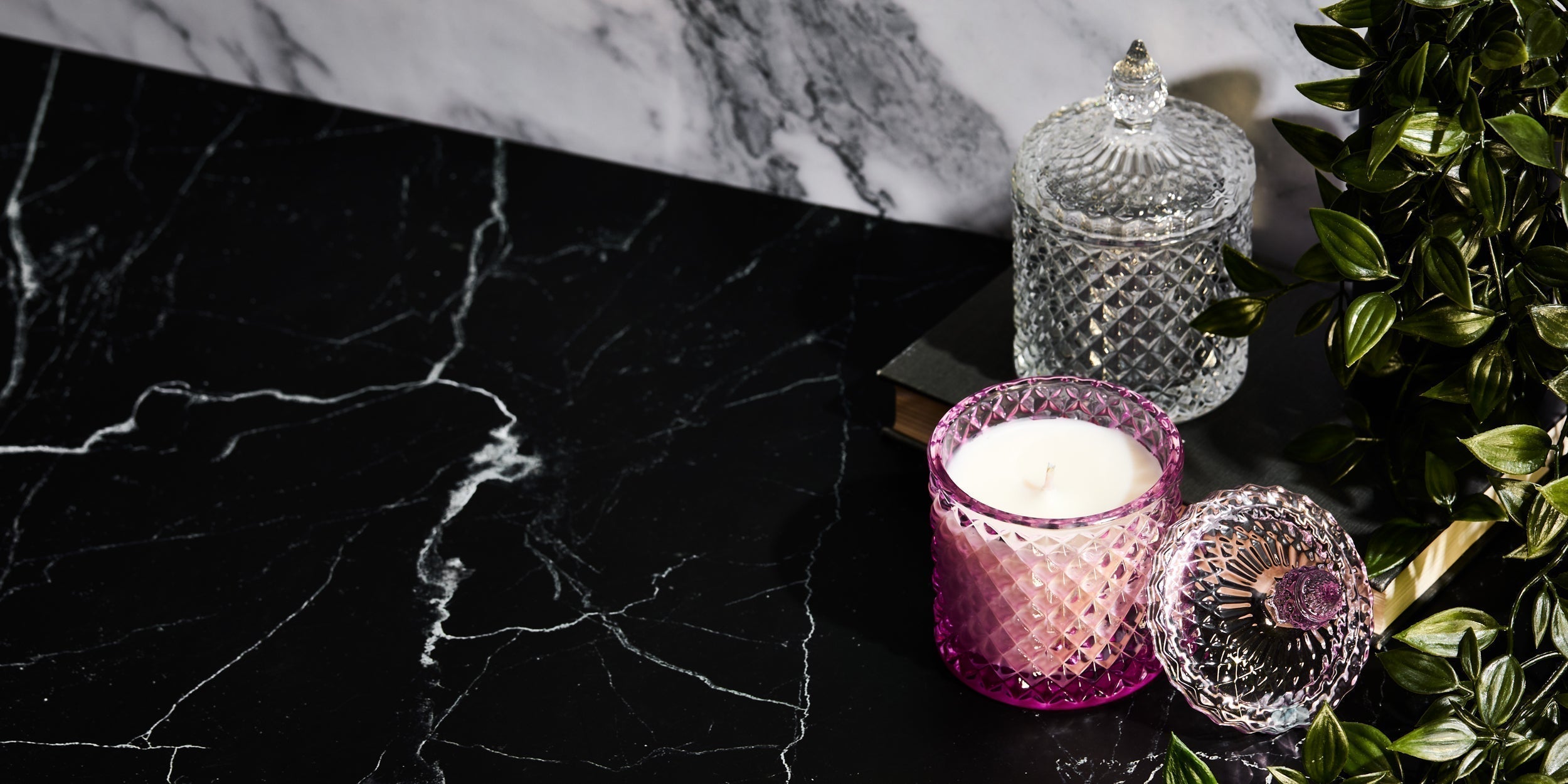
Soy shines in container candles, and that's where most makers start. Container soy wax is softer, helping it adhere to glass, create a smooth finish, and deliver the slow, clean burn it's known for.
Soy's lower melt point and creamy set look right at home in glass, and the longer burn time gives customers more hours per jar, which is the kind of math that turns into repeat orders.
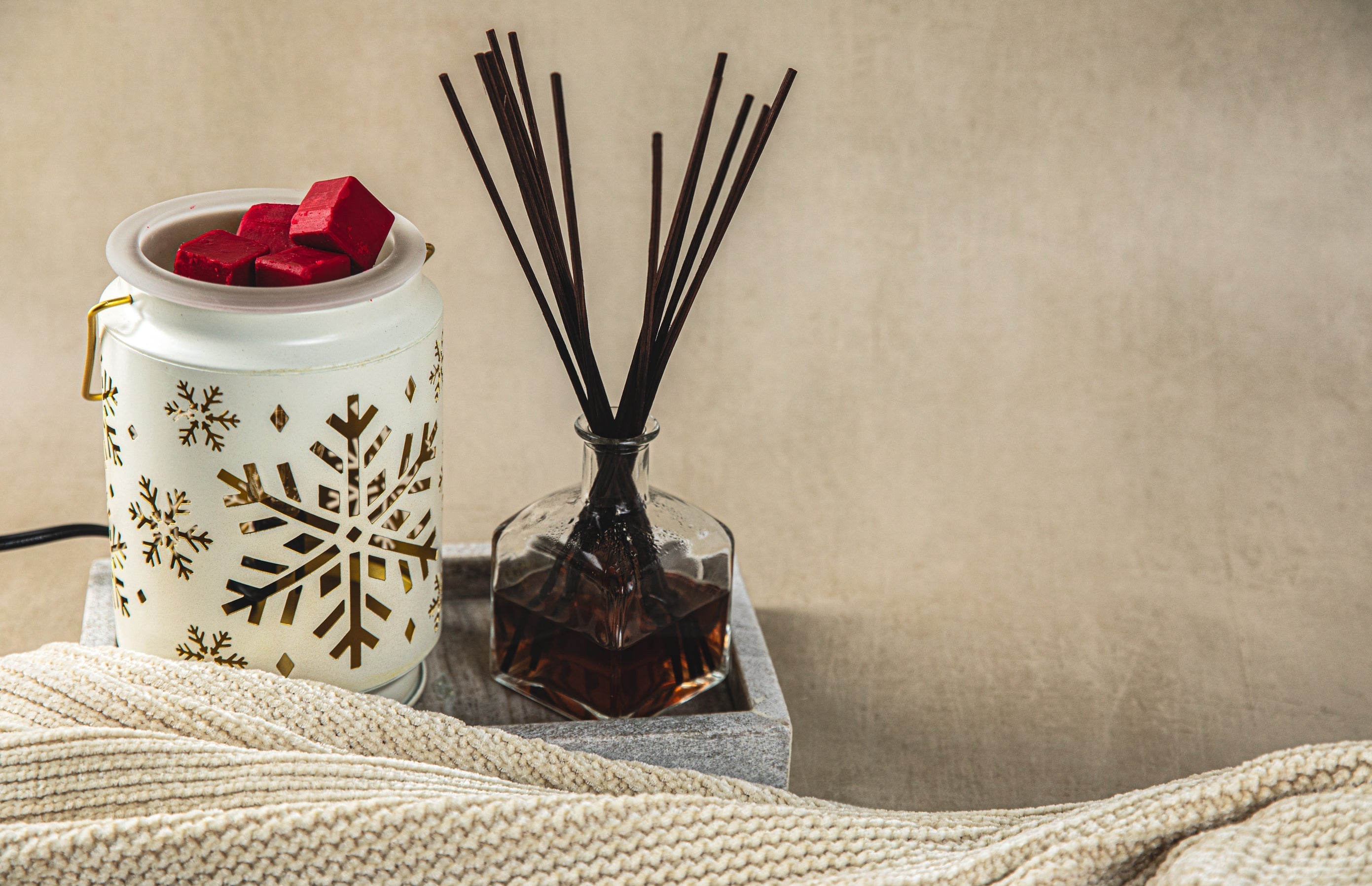
Soy also performs well in wax melts , where a lower melt point means faster release and full-room fragrance without a flame involved. If you have not poured a flameless line yet, our guide covers the process start to finish.
Making pillars or votives? You'll want a soy wax or soy blend that's formulated for molds. These waxes are firmer, so they release more easily and hold their shape once they're out. Using the wrong wax is a quick way to end up with candles that stick in the mold, dent too easily, or struggle to stay looking their best.
New to pouring soy, or to candle making overall? Our candle making guide walks through the fundamentals before you commit a full batch to the pour. Every maker on our team has a first candle they would rather not talk about. Soy forgives more of those early mistakes than most waxes do, which is exactly why it is where we point beginners first.
FAQ
Is soy wax good for candles?
Yes. Soy wax burns clean, holds fragrance well, and lasts roughly 30 to 50% longer than the same-size paraffin candle. It melts at a lower temperature, which gives a softer look and a gentler burn. With the right wick and fragrance load, soy performs reliably across containers, melts, and natural product lines.
Is soy or paraffin wax better?
Neither wins outright. Paraffin hot throws strong right out of the pour and needs less technique to get there. Soy burns longer, cold throws better, and appeals to customers seeking natural ingredients, but it rewards proper wicking, an 8 to 10% fragrance load, and a full cure. Choose based on the burn and label you want.
Does soy wax throw scent well?
Yes, especially cold throw before the candle is lit. Hot throw closes the gap with paraffin when you use the correct wick size, an 8 to 10% fragrance load, and let the candle cure for about two weeks. Skipping any of those three steps is the most common reason soy reads as weak.
Is soy wax natural?
Yes. Soy wax is made from hydrogenated soybean oil, a renewable, plant-based crop, rather than the petroleum byproducts used in paraffin. That makes it a popular pick for makers building natural or clean-label candle lines, though blends and additives vary by brand and formulation.
Ready to Pour?
Shop our soy wax and soy-blend waxes for your next batch, pair them with wicks built for soy , and load up on fragrance oils tested to perform at an 8 to 10% load.