How to Get Candle Wax Out of Clothes
To get candle wax out of clothes, you harden it first, scrape off the solid chunk, then lift the rest with a warm iron and an absorbent paper towel, and finish by treating whatever color stain is left behind. It sounds almost too simple for how much panic a wax drip causes, but the physics are on your side here: wax hardens fast, melts predictably, and wicks into paper the second you give it a reason to. Below, we walk through each step for clothing, then cover carpet and upholstery, because the same principles apply with a few adjustments.
Every maker on our team has ruined at least one shirt learning this the hard way. Consider this the guide we wish we'd had.
Step 1: Harden and Scrape the Wax First
Resist the urge to touch it, rub it, or attack it with hot water. Fresh wax smears. Hardened wax lifts.
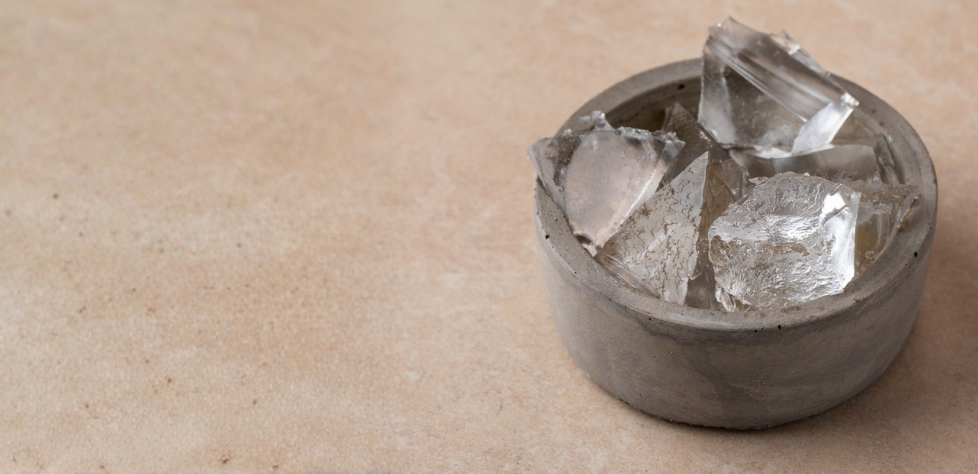
Take the fabric to the freezer if the item is small enough, or press an ice cube against the wax in a sealed plastic bag if it isn't. Give it 15 to 20 minutes. The wax should turn brittle and slightly opaque when it's ready.
Once it's hard, work a dull edge, like the back of a butter knife or the edge of a credit card, underneath the wax and flake it off. Go slow near the fabric weave so you're breaking the wax loose instead of dragging it deeper into the fibers. You won't get every trace this way, and that's fine. Step 1 just needs to clear the bulk of it so heat can do the rest.
Step 2: Melt and Blot with an Iron and Paper Towel
This is the step that actually finishes the job, and it works because wax remelts at a lower temperature than most fabrics can tolerate damage.
Lay the stained section between two layers of plain paper towel or a folded brown paper bag. Set your iron to its lowest heat setting, the one usually marked for silk or synthetic blends, with steam turned off. Press down for 8 to 10 seconds at a time, checking the paper towel and swapping it for a clean section as it absorbs wax. Repeat until the paper towel comes away clean.
Move the iron in short presses rather than dragging it across the fabric. Wax that's actively remelting will follow the heat, and a dragging motion just spreads it. Check your garment's care label before you start. Delicate synthetics and some performance fabrics scorch well below cotton's tolerance, so when in doubt, test the iron on a hidden seam first.
Step 3: Treat the Color Stain
Most candle wax leaves behind a faint stain from dye or fragrance oil even after the wax itself is gone. Treat it before it sets permanently.
Work a small amount of liquid dish soap or a stain remover directly into the mark and let it sit for 5 to 10 minutes. Launder the item on the warmest setting the fabric allows. Skip the dryer until you've confirmed the stain is gone. Heat sets a stain the same way it lifts wax, so air dry the garment first and check it in daylight. If a shadow remains, repeat the treatment before running it through the dryer.
Getting Wax Out of Carpet and Upholstery
The method holds for carpet and upholstery. The adjustments are about scale and material, not principle.
Harden the wax with an ice cube in a plastic bag, since you can't exactly move the sofa to the freezer. Scrape gently with a dull edge, working in the direction of the pile so you're not fraying fibers. For the melt-and-blot step, use a lower iron setting than you would for clothing and check constantly. Carpet backing and upholstery padding hold heat longer than a cotton shirt does, and scorching is a real risk if you linger. Blot, don't rub, when you get to any leftover stain, and test cleaning solutions on an inconspicuous patch first, especially with upholstery fabrics you can't easily replace.
Quick Reference: Wax and Fabric Type
Wax type and fabric type both affect how forgiving this process is, and it's worth knowing where you have more or less room for error.
|
Wax Type |
What to Know |
|
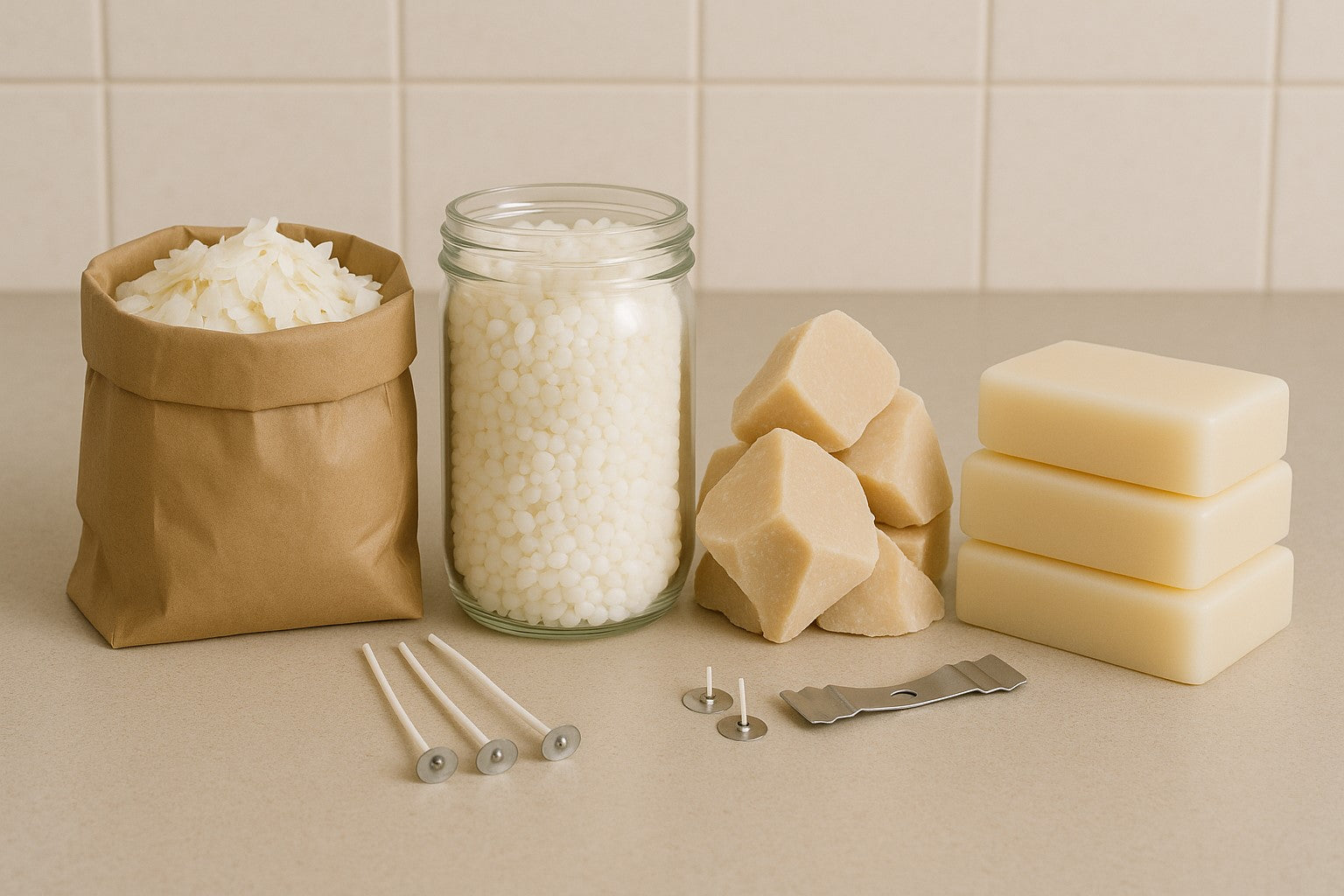
Soy wax |
Lower melt point, tends to lift with less heat |
|
Paraffin |
Higher melt point, may need a slightly longer iron press |
|
Beeswax |
Softer and stickier, scrapes off in smaller pieces |
|
Fabric Type |
Approach |
|
Cotton and linen |
Handles iron heat well, most forgiving |
|
Delicates and synthetics |
Use lowest heat, test on a hidden area first |
|
Wool |
Treat gently, avoid direct high heat entirely |
When exact numbers matter for your specific candle, check the wax supplier's spec sheet since formulations vary.
What Not to Do
A few instincts make this worse, not better.
Don't rub fresh wax into the fabric. It feels productive and it isn't; it just drives wax deeper into the weave and widens the stain. Don't reach for high heat to speed things up. A blast dryer or a too-hot iron scorches fabric before the wax fully lifts, and scorch marks don't come out. And don't run the item through a hot dryer before you've confirmed the color stain is gone. Heat locks a stain in permanently.
FAQ
Does candle wax come out of clothes?
Yes, in almost every case. Hardening the wax and lifting it with a warm iron and paper towel removes the wax itself, and a stain treatment before laundering handles the color left behind. The one exception is fabric that's already scorched from high heat, which won't reverse.
Can you iron candle wax out of fabric?
Yes, this is the most reliable method. Place the fabric between paper towels, set the iron to its lowest setting, and press in short intervals so the wax remelts and wicks into the paper instead of the fabric. Swap the paper towel as it absorbs wax until none transfers.
How do you get colored wax stains out?
Work dish soap or a stain remover into the mark once the wax itself is gone, let it sit for 5 to 10 minutes, then launder on the warmest safe setting. Air dry before checking the result in good light, since color stains can look faint until fully dry.
Will wax come out in the wash?
Not on its own. A washing machine won't reliably lift solid wax and the heat from a dryer can set it permanently into the fibers. Always harden, scrape, and iron the wax out first, then launder normally to finish treating whatever stain remains.
Explore More
Once your clothes are wax-free, a little prevention goes a long way. If soot is part of what you're dealing with, our guide to candle soot & smoke care covers how to keep it off fabric and walls alike. Traveling with candles this season? Here's what to know about traveling with candles before you pack one. And if your candle burned unevenly in the first place, candle tunneling is worth a read before your next pour.
New to pouring your own? Our candle making guide starts from zero, and it might make you a little less nervous about the next drip.