Incienso vs. Mirra: Aroma, Diferencias y Usos
El incienso y la mirra se suelen combinar. Ambas son resinas aromáticas de árboles, pero las diferencias entre ellas son sorprendentes. El incienso es más brillante, cítrico-pino y resinoso. La mirra es más profunda, terrosa y cálida. Esta guía compara cómo huele cada uno, sus diferencias y cómo usarlos en velas.
Incienso o mirra: todo creador que elabora un aroma resinoso para las fiestas llega a esta encrucijada. Ambas son resinas aromáticas de árboles que se obtienen de arbustos que prosperan en terrenos agrietados y secos de la Península Arábiga y el Cuerno de África, y al quemarlas una al lado de la otra, la diferencia es obvia.
El incienso huele brillante, cítrico-pino y resinoso, es el tipo de aroma que despeja una habitación. La mirra es más baja y lenta: profunda, terrosa, cálida, con un toque meloso que perdura. Perfumistas y fabricantes de velas han combinado las dos durante siglos porque una realza a la otra. A continuación, desglosamos a qué huele cada resina, cómo se comparan el incienso y la mirra, y cómo traducir ambos en una vela que aromatice en lugar de existir discretamente en un estante.
Qué es el Incienso y cómo huele
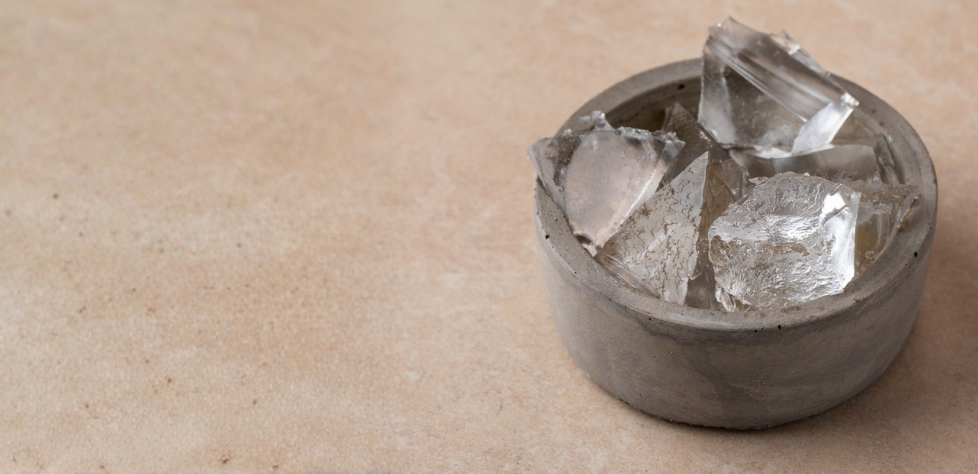
El incienso proviene de la savia de los árboles de Boswellia, que se cosecha haciendo cortes en la corteza y dejando que la resina se escurra y endurezca en colores ámbar. Una vez seca, el ámbar se quema como incienso o se destila al vapor para obtener aceite, a veces etiquetado con su antiguo nombre comercial, olíbano. El aroma es donde el incienso se gana su reputación: notas de salida brillantes de cítricos y agujas de pino sobre una base resinosa cálida y ligeramente picante. Se percibe limpio y ligero en lugar de pesado, por lo que aparece en mezclas de spa, espacios de meditación y líneas de velas de invierno creadas para dar calidez sin densidad. En una mezcla de fragancias, el incienso generalmente se sitúa cerca del medio, lo suficientemente brillante como para mantenerse adelante pero lo suficientemente arraigado como para anclar notas más amaderadas debajo de él.
Qué es la Mirra y cómo huele
La mirra también es una resina de árbol, extraída de los árboles de Commiphora que crecen en las mismas regiones áridas y accidentadas que el incienso. Las dos se cosechan y comercializan con frecuencia una al lado de la otra, en parte por lo que a menudo se combinan en velas e incienso. Donde el incienso es brillante, la mirra es oscura. Espere una dulzura profunda, terrosa y ahumada con un matiz cálido y meloso y sin el toque cítrico. Se percibe más antigua y pesada, el equivalente en resina de una llama baja y constante en lugar de una chispa. La mirra suele funcionar como nota de fondo, el tipo de aroma que llega al final y permanece más tiempo, dando a una mezcla peso y poder de permanencia mucho después de que las notas más brillantes se hayan desvanecido.
Incienso vs Mirra: Cara a Cara
Póngalos uno al lado del otro y podrá ver las diferencias claramente.
|
|
Incienso |
Mirra |
|
Olor |
Brillante, cítrico-pino, resinoso |
Profundo, terroso, ahumado-dulce |
|
Calidez |
Frío a cálido, ligero |
Cálido, pesado |
|
Uso común |
Incienso, mezclas de spa y meditación, velas de invierno |
Incienso, mezclas ceremoniales, base para velas de resina cálida |
|
Posición de nota |
Nota media |
Nota de fondo |
Ninguna resina es objetivamente mejor. El incienso eleva una mezcla. La mirra le da profundidad. Juntos construyen el tipo de aroma resinoso y en capas que ninguno logra solo, que es exactamente la razón por la que casi todas las velas clásicas de resina cálida del mercado se basan en ambas.
Cómo usarlos en velas
La resina cruda y los aceites esenciales no son lo mismo que los aceites de fragancia para velas, y esa distinción decide si una vela de incienso y mirra realmente huele a algo una vez que se quema. Los aceites de resina son sensibles al calor, por lo que si se vierte aceite de incienso o mirra cruda en cera caliente, las delicadas notas altas que hacen que cada resina sea reconocible se descomponen antes de que la vela se asiente. Cubrimos este punto con más detalle en nuestra propia guía de aceites esenciales frente a aceites de fragancia. Los aceites de fragancia fabricados específicamente para la elaboración de velas sobreviven a ese calor y aún desprenden aroma una vez que la cera se enfría, tanto en el charco de cera derretida como en la habitación. Esa es la diferencia entre una vela que se percibe desde la entrada y una a la que hay que acercar la nariz.
El aceite de fragancia de incienso y mirra de TFC está diseñado para equilibrar maderas cálidas y secas, pachulí y bálsamo para la textura, mirra y olíbano en capas para la profundidad, y una base persistente de almizcle árabe y sándalo que suaviza el conjunto. Se prueba con fuerza tanto en aplicaciones de velas como de ambientadores, y TFC lo califica para su uso hasta en un 10% en velas y tartas y hasta en un 50% en proyectos de ambientación de habitaciones como difusores de varillas o quemadores de esencias, lo que le brinda un margen real para aumentar o disminuir la intensidad. Un número que vale la pena señalar antes de verter: con un punto de inflamación de 196 °F, mantenga la adición de fragancia por debajo de la temperatura de vertido recomendada por el fabricante de la cera, y compárela con la hoja de especificaciones si está trabajando una formulación fuera de los rangos estándar de soja o parafina.
Crear tu propia mezcla desde cero requiere moderación. Comienza en el extremo inferior de esa tasa de uso de velas del 10%, ya que los aromas resinosos se vuelven pesados rápidamente, y prueba cada lote antes de comprometerte con un vertido completo. Si quieres que el brillo del incienso sea más fuerte en la mezcla final, añade una pequeña cantidad de aceite de fragancia de pino o cedro junto con tu mezcla base. Si lo que buscas es la profundidad de la mirra, un toque de pachulí o ámbar hace el mismo trabajo en la otra dirección.
Nuestra guía de difusión del aroma cubre cómo lograr una combustión más fuerte y uniforme una vez que hayas elegido la carga de fragancia, y nuestra guía de aromas de aromaterapia muestra dónde se sitúan el incienso y la mirra en la familia más amplia de aromas cálidos. ¿Eres completamente nuevo en la fabricación de velas? Nuestra guía de fabricación de velas es el lugar para comenzar antes de comprometer un lote de cera con una mezcla de resina.
Preguntas frecuentes
¿Cuál es la diferencia entre incienso y mirra?
El incienso y la mirra son resinas de árboles aromáticas, pero huelen diferente. El incienso es brillante, cítrico-pino y resinoso, generalmente se lee como una nota media. La mirra es más profunda: terrosa, ahumado-dulce y cálida, típicamente funciona como una nota base. El incienso eleva una mezcla, la mirra la ancla, y juntos construyen el clásico aroma a resina cálida.
¿Huele mejor el incienso o la mirra?
Ninguno gana por goleada. Todo se reduce a lo que quieras que haga el aroma. El incienso se adapta a mezclas más brillantes, estilo spa o meditativas, ya que se percibe limpio y elevado. La mirra se adapta a aromas más pesados, ceremoniales o invernales, diseñados para la profundidad. La mayoría de los fabricantes utilizan ambos juntos, ya que la elevación del incienso y el peso de la mirra se equilibran entre sí.
¿Se pueden mezclar incienso y mirra?
Sí, y es la combinación clásica. El incienso y la mirra se han mezclado durante siglos porque sus perfiles se complementan en lugar de competir: el incienso ilumina la parte superior, la mirra ancla la base. En la fabricación de velas, comienza con un aceite de fragancia con base de resina diseñado para esa combinación y prueba pequeños lotes antes de escalar a un vertido completo.
¿Son el incienso y la mirra buenos aromas para velas?
Sí, especialmente como aceite de fragancia en lugar de resina cruda o aceite esencial. Los aceites de resina son sensibles al calor y se descomponen durante un vertido de cera caliente, perdiendo las notas que los hacen reconocibles. El aceite de fragancia formulado para velas sobrevive a ese calor, lo que proporciona un aroma más fuerte en el charco de cera fundida y una vez que la vela está encendida.
¿Listo para verter?
¿Listo para probarlo tú mismo? Compra aceite de fragancia de incienso, aceite de fragancia de mirra y la colección completa de fragancias de resina cálida diseñadas para sobrevivir al vertido y difundirse una vez encendidas.