Los mejores aromas de velas de otoño
No hay que confundir los aromas otoñales. Son cálidos, especiados y completamente despreocupados de la sutileza. Calabaza especiada. Manzana canela. Teca. Ámbar. Esas cuatro familias abarcan toda la temporada, y cualquier otro aroma de vela de otoño en internet es en realidad solo una variación de uno de ellos. Esta guía desglosa los mejores aromas de velas de otoño en categorías, enlaza los aceites aromáticos que los componen y señala el único error de sincronización que convierte una gran mezcla en una débil.
Estas selecciones de otoño no son suposiciones. Cada año, extraemos la línea de otoño de los propios datos de ventas de temporada de TFC, por lo que cada aroma a continuación ya tiene un historial de venta en estanterías como vela terminada, no solo de oler bien en la botella.
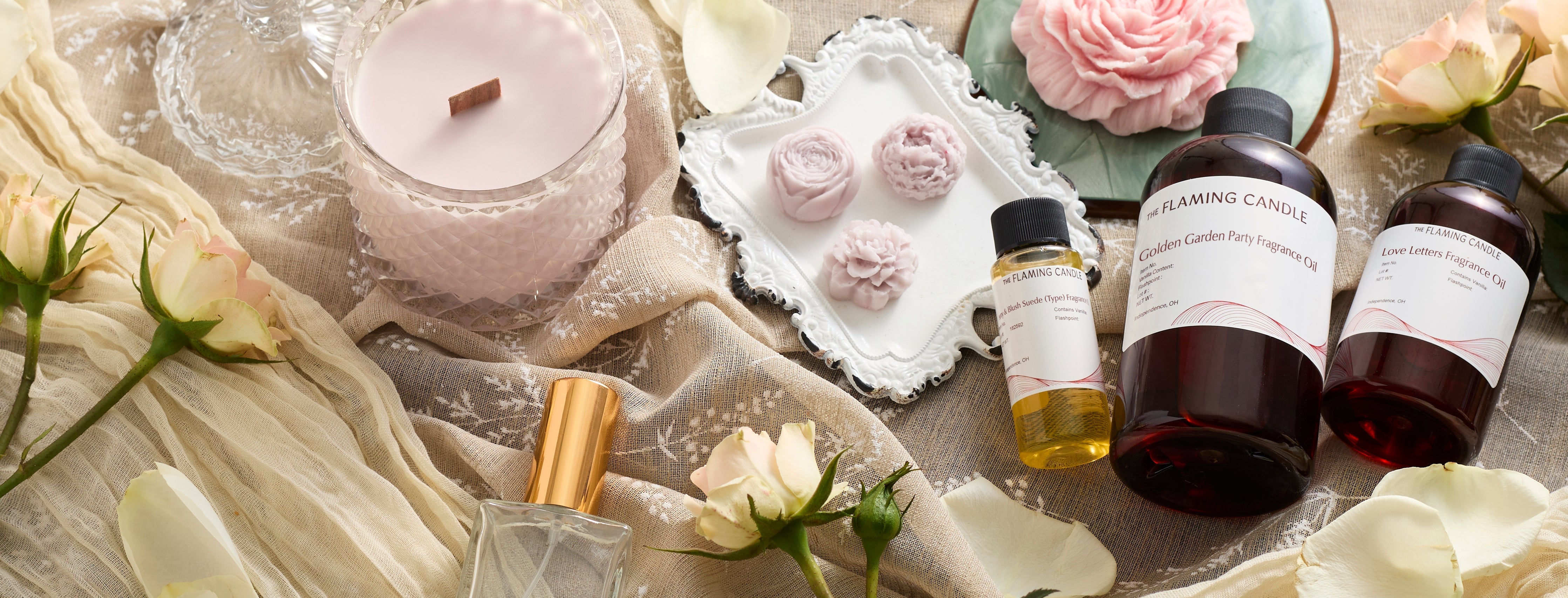
La mayoría de los resúmenes de aromas de otoño clasifican las velas terminadas de un puñado de marcas minoristas, lo cual es útil si está comprando, no tan útil si está vertiendo. Este está hecho para fabricantes. Cada selección a continuación enlaza con el propio aceite aromático, junto con las proporciones de mezcla y el tiempo de curado necesarios para realmente hacerlo, en lugar de simplemente admirar el producto terminado de otra persona.
Aromas especiados y de panadería
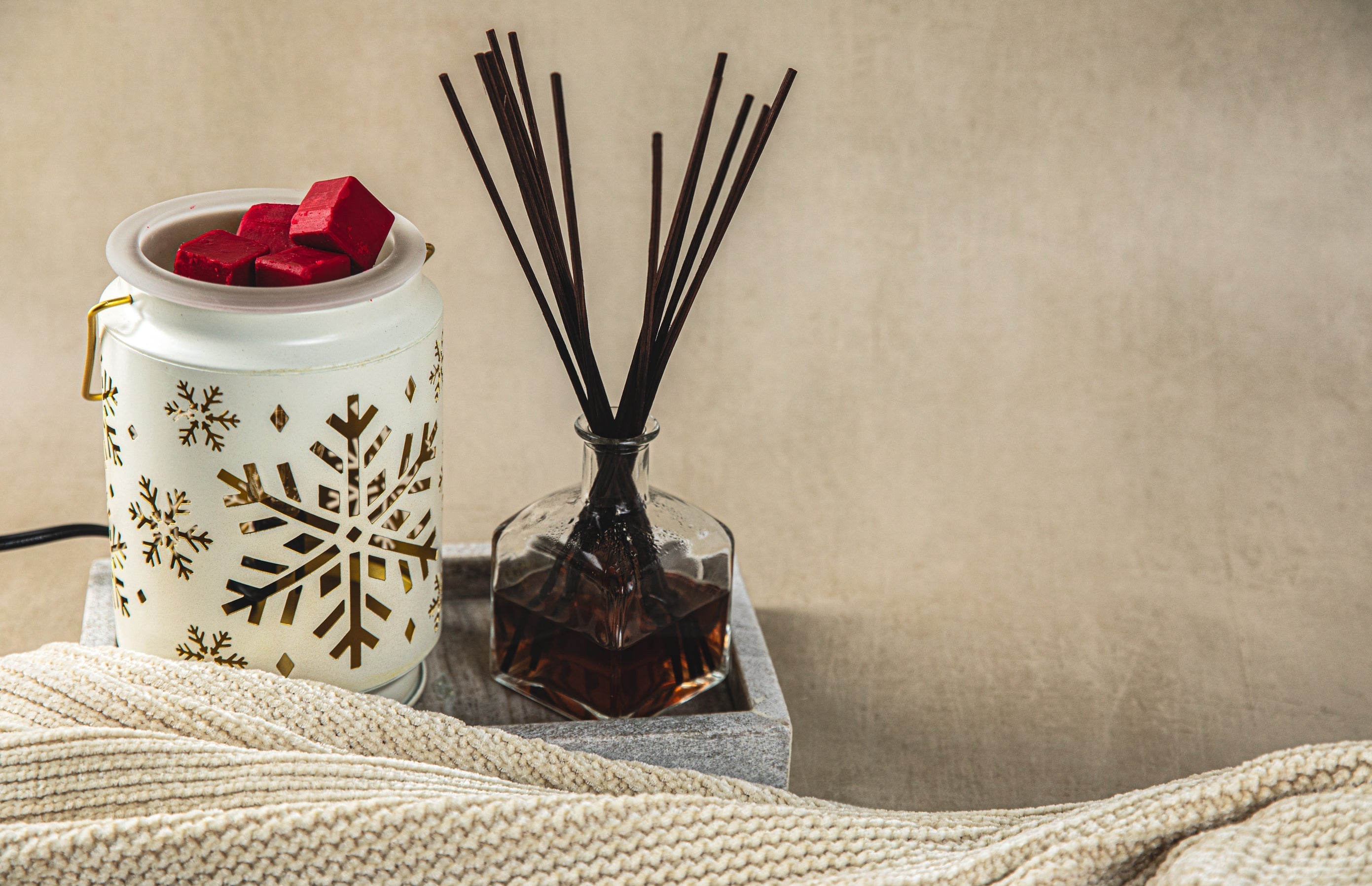
La calabaza especiada ocupa el primer lugar cada año, y no es solo nostalgia. Un aceite aromático de calabaza bien elaborado combina una base suave de calabaza o zapallo con canela, clavo, nuez moscada y un sutil toque de panadería cálido, de modo que parece un pastel real enfriándose en el mostrador en lugar de una suposición de pasillo de velas. La manzana canela ocupa un cercano segundo lugar. Las notas altas de manzana crujiente se encuentran con las especias para hornear para un aroma que llena una cocina sin volverse empalagoso o punzante. El arce completa la categoría con una calidez más lenta y madura, especialmente cuando se mezcla con un toque de vainilla o roble.
Comience una mezcla de calabaza especiada con partes iguales de base de calabaza y acorde de especias, luego cambie la proporción hacia más especias si la nota de calabaza resulta demasiado vegetal o plana. Pruebe con la carga de fragancia recomendada por su cera, generalmente del 6 al 10 por ciento, según la combinación de cera y mecha, y siempre confirme con la hoja de especificaciones de ese producto antes de escalar un lote completo.
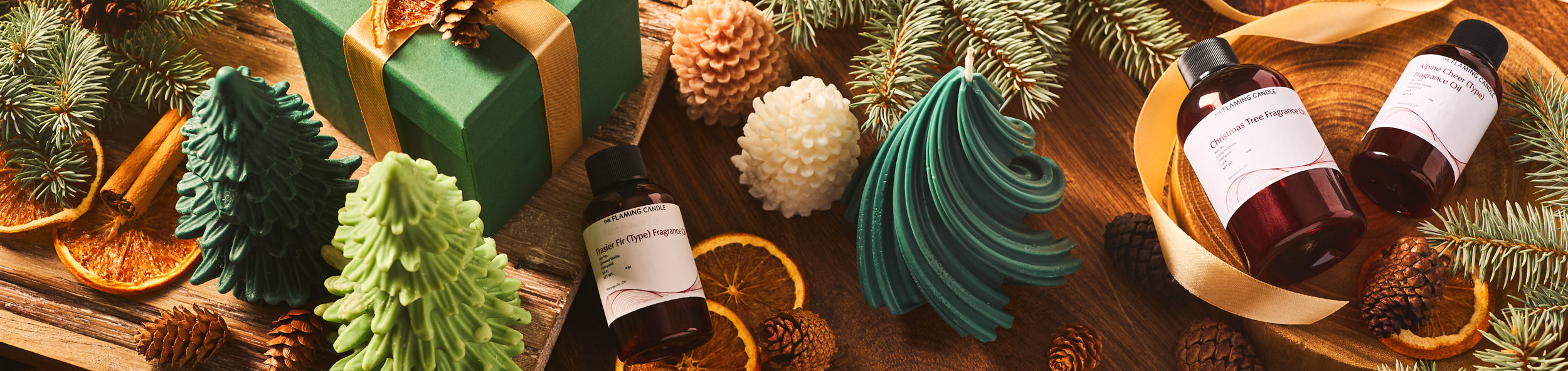
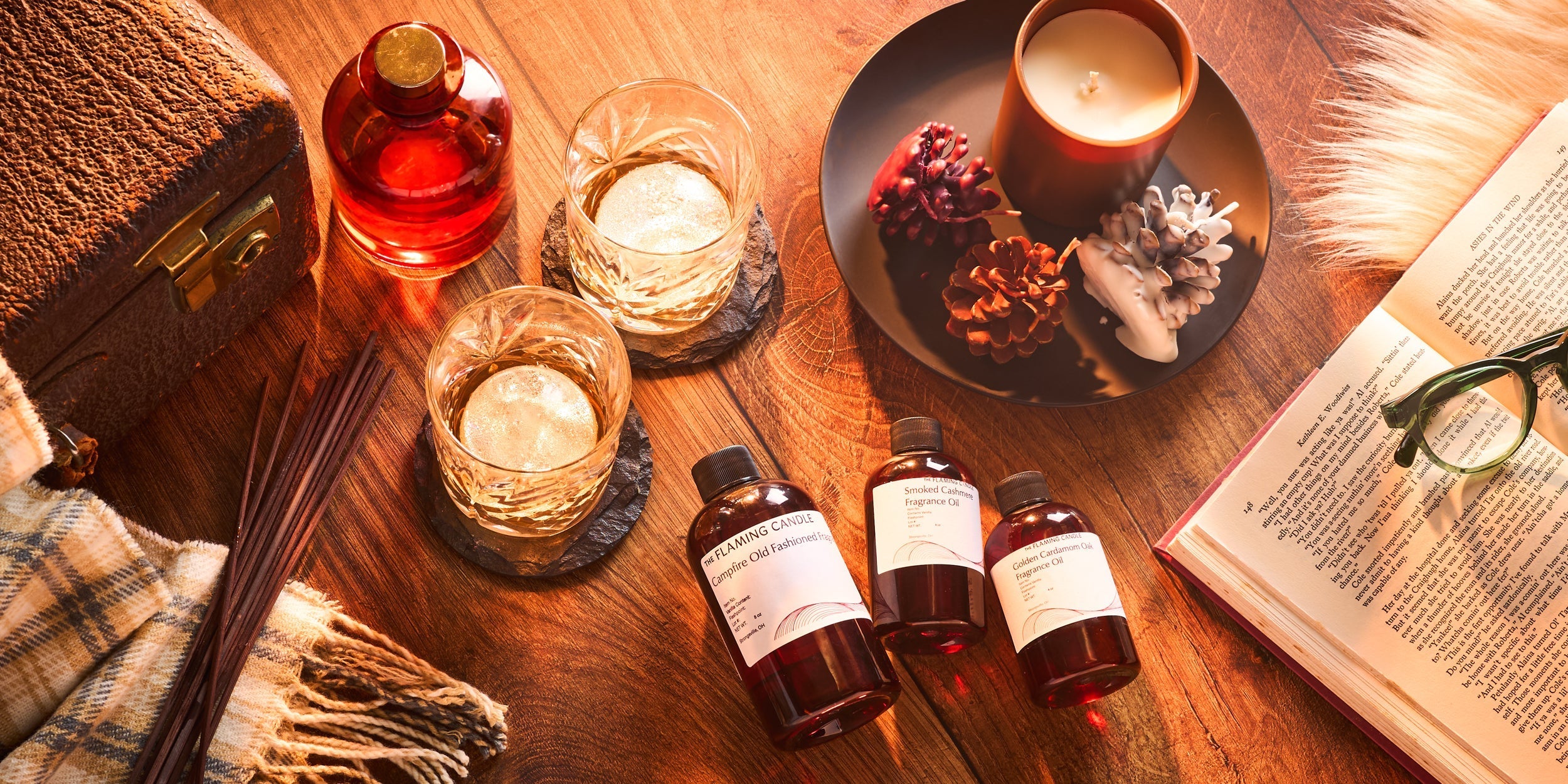
Probamos cada mezcla de otoño para la difusión en caliente y en frío antes de enviarla, porque un aceite aromático de calabaza que huele increíble en la botella y desaparece una vez que se enciende no es un aroma de vela de otoño, es una decepción disfrazada de aroma de vela de otoño. Explore la colección de aceites aromáticos de otoño para construir una línea especiada, o mezcle dos o tres y deje que un lote de prueba le diga lo que los clientes realmente olerán una vez que se encienda la mecha.
Aromas amaderados y cálidos
No todas las velas de otoño tienen que oler a postre. La teca, el ámbar y el sándalo aportan la calidez de la estación sin el azúcar, y difunden maravillosamente una vez que la temperatura realmente baja y una habitación necesita profundidad en lugar de una nota de panadería. El ámbar aporta una calidez resinosa que combina bien con casi cualquier otra cosa de esta lista, lo que lo convierte en uno de los aromas más indulgentes de una línea de otoño. La teca añade estructura y un poco de carácter, y combina especialmente bien con el ámbar en una proporción de aproximadamente dos a uno a favor de la teca, para una mezcla que se siente cálida sin ser dulce. El sándalo suaviza los bordes y lo redondea todo, y es la pieza que hay que añadir si una mezcla de teca y ámbar resulta un poco demasiado fuerte o resinosa por sí sola.
Estos perfiles cálidos y amaderados también se extienden a las categorías de aromas masculinos y unisex, por lo que si una línea de otoño necesita ser más melancólica y menos dulce, esta es la familia para construir. Una vela hecha completamente con este trío se mantiene firme junto a cualquier mezcla de calabaza en un estante, y generalmente atrae al cliente que ya ha quemado todos los aromas de panadería de la tienda.
Aromas frescos de otoño
La manzana crujiente, las mezclas de frutas de cosecha y un verdadero acorde de hojas y humo de leña completan la categoría para el cliente que quiere el otoño sin recurrir al gabinete de especias. Estos aromas son más ligeros y limpios, más cercanos a una tarde de octubre real que a una mesa de postres, y dan a una línea de temporada un rango que va más allá de la calabaza y la canela.
Un aceite aromático de manzana crujiente por sí solo es fresco, agrio y un poco verde. Agregue una sola gota de canela o clavo y se volverá más cálido sin perder la frescura que lo separa de una mezcla completa de manzana y canela. Las mezclas con notas de cosecha y hojas funcionan de la misma manera. Comience limpio, luego agregue calor solo cuando sea necesario, unas pocas gotas a la vez, para que la nota superior fresca sobreviva a la mezcla en lugar de quedar oculta bajo las especias. Estos vertidos frescos de otoño también tienden a durar más en climas cálidos de principios de otoño, donde una mezcla pesada de calabaza puede parecer demasiado, demasiado pronto.
Una línea completa de otoño se gana su espacio en el estante al cubrir las tres familias a la vez, especiada y de panadería, amaderada y cálida, y fresca, en lugar de verter cinco variaciones de calabaza y llamarlo una colección. Combine los lotes terminados con nuestros frascos y latas para velas para que el empaque se vea tan intencional como el trabajo de aroma detrás de él.
Haz que difundan para la temporada
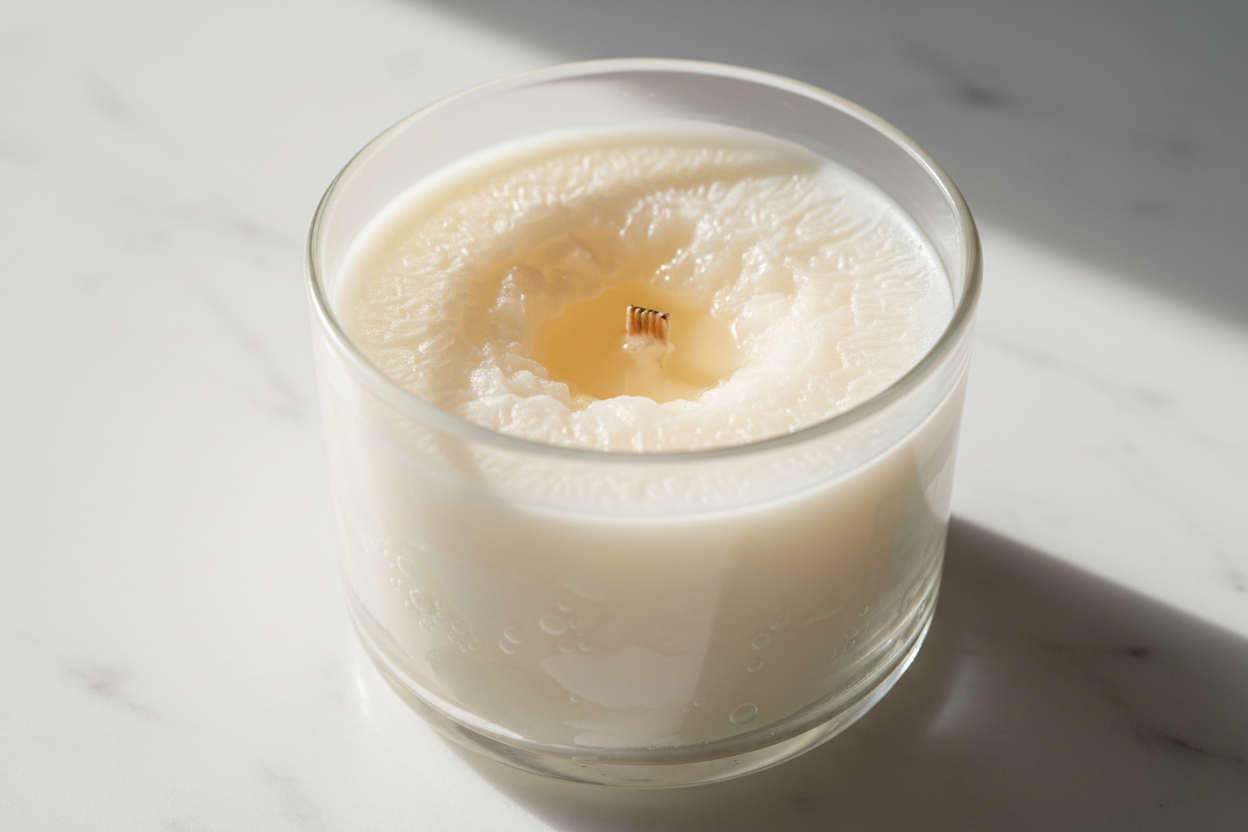
Nada de esto importa si la vela no está curada para cuando llega el otoño. Las velas necesitan aproximadamente de una a dos semanas para curarse después de verterlas, lo que le da tiempo al aceite aromático para unirse completamente con la cera para que la difusión del aroma alcance su máxima intensidad. Vierta un lote de otoño varias semanas antes de la temporada, no la semana anterior al lanzamiento, y la mezcla ofrecerá la difusión que realmente es capaz de dar, en lugar de un tenue adelanto.
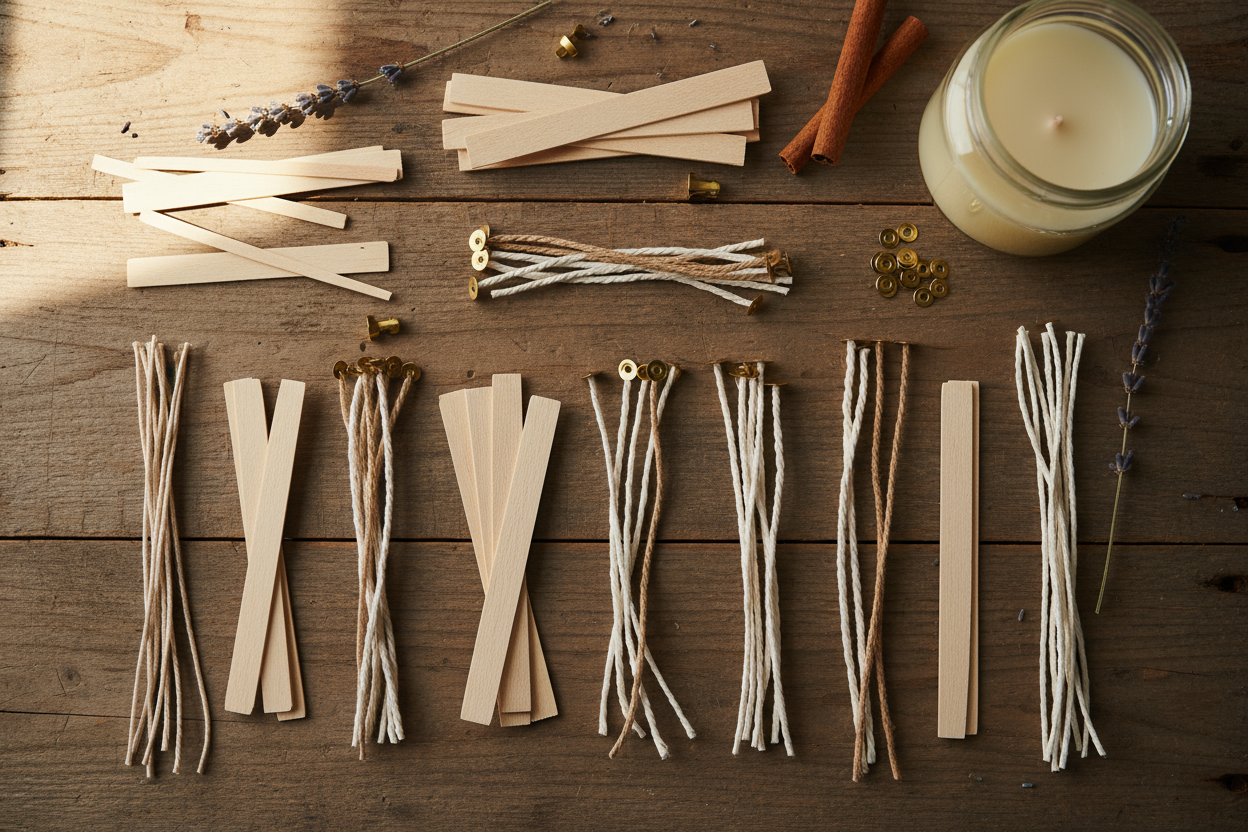
Este es el detalle que distingue a una vela de otoño que se agota de las estanterías de una que se rebaja silenciosamente en noviembre. La carga de fragancia también importa aquí. Manténgase dentro del índice de carga probado de la cera y el aceite aromático en lugar de sobrecargar para obtener un aroma más fuerte, ya que una vela sobrecargada puede comprometer la calidad de la combustión y difundir de manera menos consistente, no más. Combine el índice de carga correcto con una mecha del tamaño adecuado para ese frasco y combinación de fragancia específicos, ya que incluso una vela perfectamente curada y correctamente cargada rinde menos con una mecha de tamaño insuficiente. Para un desglose más profundo de los índices de carga y el tamaño de las mechas, nuestra guía para obtener una fuerte difusión de aroma cubre la mecánica detrás de esta relación de curado y carga en su totalidad.
¿Estás creando una línea de otoño por primera vez? Comienza con nuestra guía para principiantes en la fabricación de velas antes de comprometerte con una temporada completa. Y si la calabaza y el ámbar no son del agrado de un cliente en particular, nuestro resumen de los 10 mejores aromas de velas para mujeres cubre el extremo más suave y floral del espectro que el otoño intencionadamente omite.
Preguntas frecuentes
¿Cuáles son los mejores aromas de velas de otoño?
Los mejores aromas de velas de otoño son calabaza especiada, manzana canela y arce de la familia de panadería, además de teca, ámbar y sándalo de la familia amaderada y cálida. La manzana crujiente y las mezclas de cosecha completan la gama para una opción más ligera. La mayoría de las líneas de otoño combinan un aroma de panadería con uno amaderado para cubrir toda la gama de preferencias.
¿De qué está hecho el aroma de calabaza especiada?
El aceite aromático de calabaza especiada se elabora a partir de una base suave de calabaza o zapallo mezclada con canela, clavo, nuez moscada y un toque cálido de panadería o vainilla. La calabaza en sí misma contribuye muy poco aroma por sí sola, por lo que la proporción de especias realiza la mayor parte del trabajo real, razón por la cual la mezcla de especias importa más que la nota de calabaza.
¿Cuándo debo hacer velas de otoño?
Haga velas de otoño varias semanas antes de que comience la temporada, no la semana del lanzamiento. Las velas necesitan aproximadamente de una a dos semanas para curarse después de verterlas para que el aceite aromático se una completamente con la cera. Verter demasiado cerca del lanzamiento significa vender velas antes de que hayan alcanzado su máxima difusión de aroma y defraudar al cliente en cuanto al rendimiento.
Comprar aceites aromáticos de otoño
Compre la colección completa de aceites aromáticos de otoño y la línea de fragancias de temporada antes de que se agote la calabaza especiada, lo que sucede, cada año, sin falta. Vierta en consecuencia.