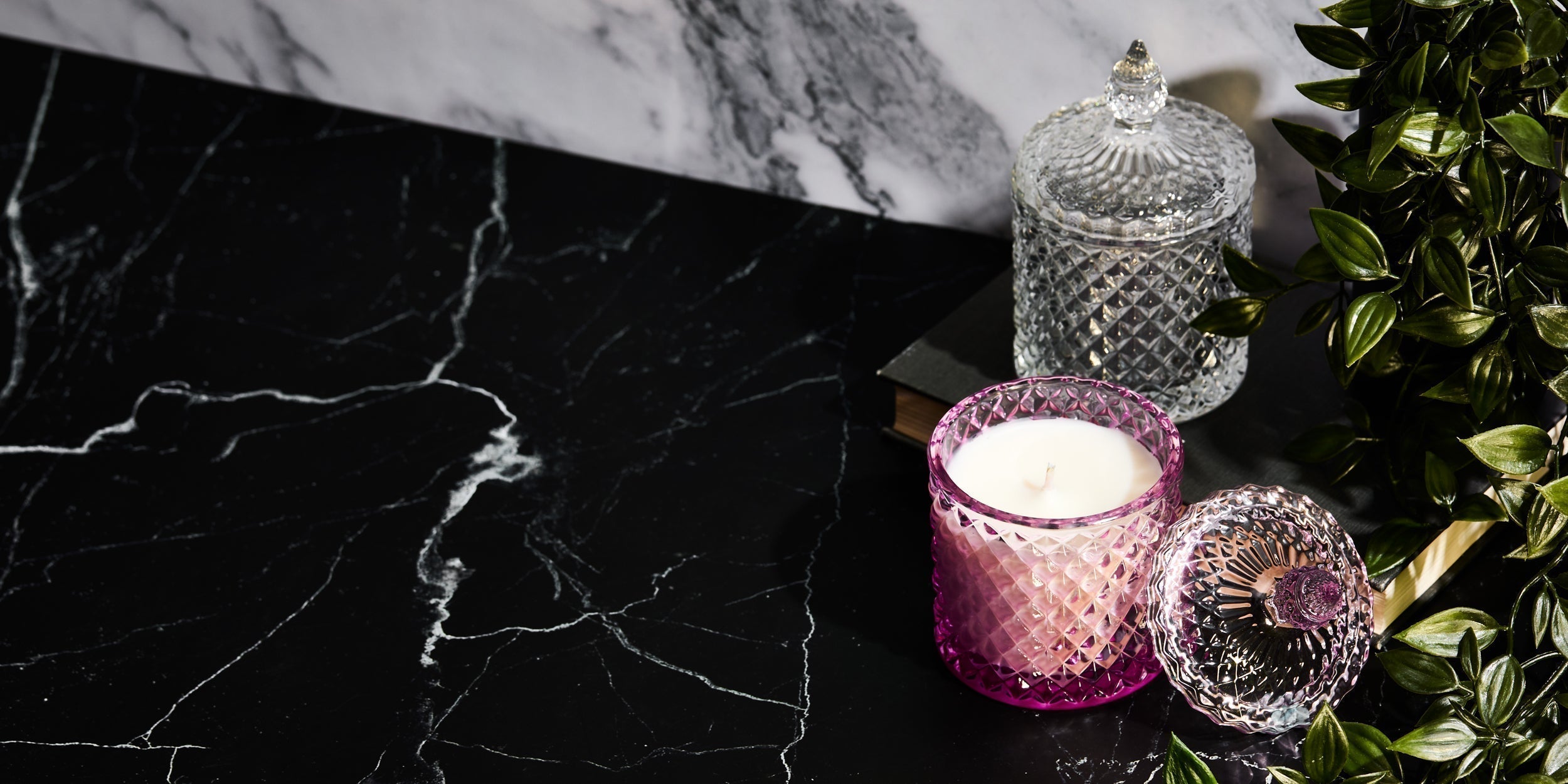
Guía de tamaños de vasos y recipientes para velas
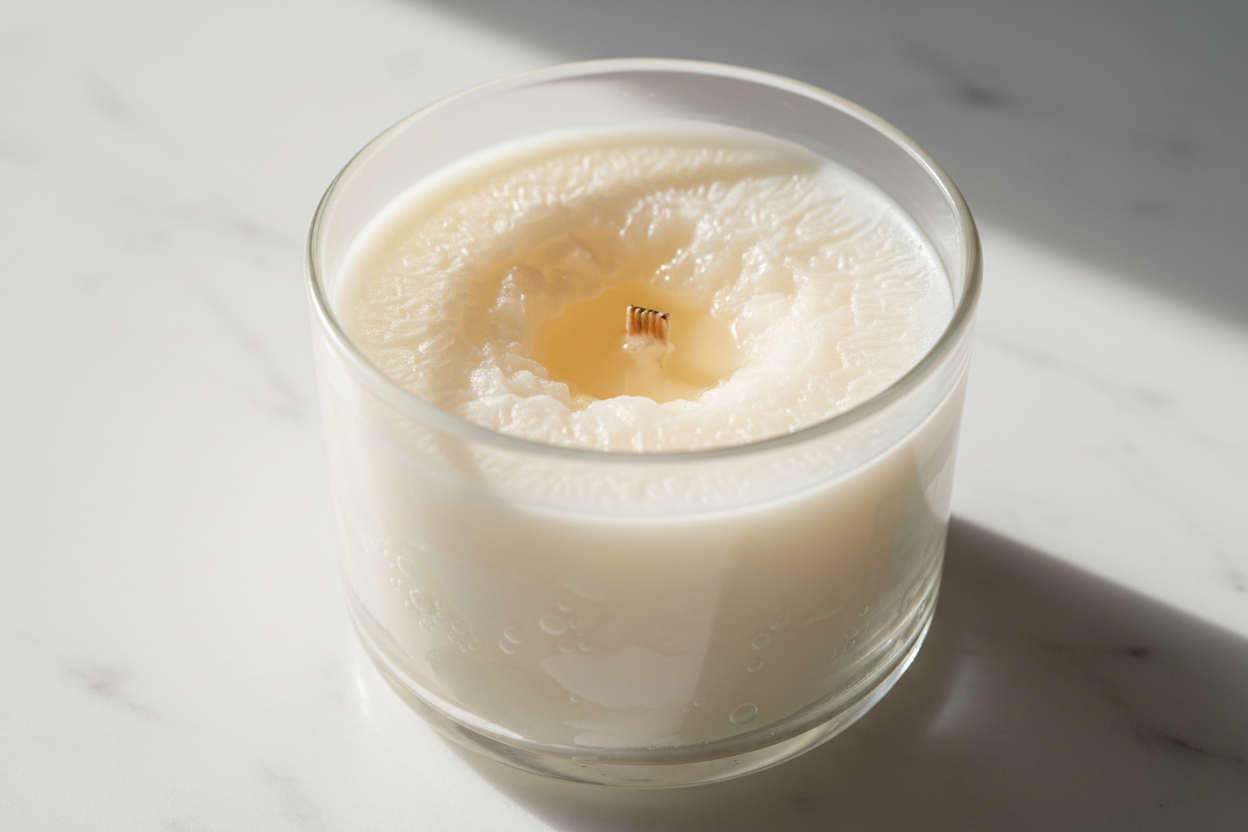
Los frascos para velas parecen intercambiables hasta que te encuentras con un lote a medio verter y te preguntas por qué la llama se ahoga en su propio charco de cera. Cada recipiente que eliges establece tres decisiones a la vez: qué serie de mechas necesitas, cuánta cera derretir y si la pieza es segura para verter en primer lugar. Si eliges bien el recipiente, el resto del proceso fluye sin problemas. Si te equivocas, tendrás que solucionar problemas de túnel, una mecha con forma de hongo o una grieta que no veías venir a mitad de una tirada de producción.
Esta guía desglosa los tipos de recipientes que vale la pena tener en stock, muestra cómo el diámetro, no el volumen, decide la mecha, y te ofrece una forma rápida de estimar el peso de llenado para cualquier recipiente en tu estante. ¿Eres nuevo en el oficio? Comienza primero con nuestra guía para hacer velas, luego vuelve aquí para elegir los recipientes para tu próximo lote.
Tipos de recipientes: frascos, vasos, latas y frascos Mason
Los frascos, vasos, latas y frascos Mason se adaptan a un aspecto y un método de vertido diferentes, y cada uno de ellos debe ser de vidrio o metal seguro para el calor, diseñado para el contacto directo con la llama. Primero, combina el recipiente con el aspecto final que deseas, luego deja que las especificaciones de la cera y la mecha sigan.
Los frascos de velas de lados rectos son el recipiente principal. Su diámetro constante de arriba a abajo simplifica el tamaño de la mecha y produce un charco de fusión limpio y uniforme desde la primera hasta la última luz. Esa previsibilidad es exactamente por qué tantas producciones estandarizan una o dos formas de frascos en lugar de buscar una nueva silueta cada temporada. Los vasos se curvan o se estrechan, lo que se ve muy bien en un estante pero complica la elección de la mecha, ya que el diámetro cambia a medida que la vela se consume. Mide en el punto más ancho y espera ajustar.
Las latas para velas son poco profundas y anchas, lo que las convierte en una excelente opción para tamaños de viaje, muestras o regalos, y sus tapas protegen la fragancia durante el envío mejor que un frasco abierto. Los frascos Mason aportan un encanto rústico, pero el hombro cerca de la tapa estrecha la superficie útil para verter. Mide el diámetro del cuerpo, no el borde.
Los recipientes especiales a veces requieren el mayor escrutinio. El vidrio decorativo delgado no fue construido para soportar un calor constante y puede agrietarse bajo él. Si una pieza especial no está etiquetada como segura para velas, evítala, sin importar lo bien que se vea cuando es una vela terminada.
Cómo el diámetro del recipiente determina la mecha
El diámetro del recipiente, no el volumen, es el principal factor determinante del tamaño de la mecha. Un recipiente bajo y ancho y uno alto y estrecho que contengan las mismas onzas aún pueden necesitar mechas completamente diferentes.
Este es el detalle que confunde a la mayoría de los principiantes. Es tentador dimensionar una mecha según la cantidad de onzas que contiene un frasco, pero los fabricantes de mechas clasifican sus productos por diámetro, porque eso es lo que determina qué tan grande debe crecer el charco de fusión y cuánto calor se necesita para lograrlo. Un frasco de 3 pulgadas de diámetro y un recipiente de 8 pulgadas de diámetro pueden contener el mismo volumen de cera, pero el recipiente necesita una mecha dramáticamente más grande, o más de una, para fundir hasta los bordes sin formar un túnel en el centro.
Mida el diámetro en el punto más ancho de la superficie de vertido, no en la base ni en el borde si el recipiente se curva hacia adentro. Compare ese número con nuestra tabla de tamaños de mechas para la serie y el número recomendados para su mezcla de cera. La carga de fragancia, el tipo de cera y el tinte pueden mover la mecha ideal media talla en cualquier dirección, así que considere la tabla como un punto de partida y realice una prueba de quemado antes de comprometerse con un lote completo.
Aumente la producción una vez que el charco de fusión demuestre que la combinación es correcta. Una vez que una serie parezca adecuada, explore las mechas del tamaño adecuado y tenga algunas a mano para probar.
Cuánta cera contiene cada tamaño
Estime el peso de llenado a partir del volumen en onzas líquidas del recipiente, no de su etiqueta, para saber cuánta cera pedir para cualquier tirada de tamaño.
El volumen del recipiente y el peso de llenado de cera no son el mismo número. La cera necesita espacio libre para la lengüeta de la mecha y se encoge ligeramente a medida que se cura. Una estimación simple y confiable: multiplique el volumen en onzas líquidas del recipiente por 0.8 para obtener las onzas aproximadas de cera por peso que necesitará. Un frasco de 8 fl oz requiere aproximadamente 6.4 oz. Un frasco Mason de 16 fl oz requiere aproximadamente 12.8 oz.
La soja se encoge menos que la parafina al curarse, por lo que un relleno de cera de soja suele situarse cerca del límite superior de esa estimación, mientras que la parafina y las ceras mezcladas se sitúan más cerca del límite inferior. Pida por peso, no contando los recipientes, y una tirada de producción no se quedará corta a dos tercios del camino. Esto es aún más importante cuando está preparando lotes para venta al por mayor o un fin de semana de mercado, cuando quedarse sin cera a mitad del vertido le cuesta toda una tarde de programación.
Utilice esta tabla como referencia rápida para tamaños comunes:
|
Contenedor |
Volumen Aprox. |
Diámetro Aprox. |
Relleno de cera estimado |
Punto de partida de la mecha |
|
Lata o frasco de 4 oz |
4 fl oz |
2.25 pulgadas |
3.2 oz |
Serie única, la más pequeña |
|
Vaso o tarro de 8 oz |
8 fl oz |
2,75 a 3 in |
6,4 oz |
Serie media, individual |
|
Tarro tipo Mason de 9 oz (media pinta) |
8 fl oz |
2,4 in |
6,4 oz |
Combustión más alta, individual |
|
Tarro de 12 oz |
12 fl oz |
3,25 in |
9,6 oz |
Serie más grande, individual |
|
Tarro tipo Mason de 16 oz (pinta, boca ancha) |
16 oz líq. |
3.9 pulg. |
12.8 oz |
Doble mecha |
|
Frasco de 22 oz |
22 oz líq. |
4 pulg. |
17.6 oz |
Doble mecha, serie más grande |
Los puntos de partida de las mechas son una guía general. Confirma la serie y el número exactos para tu cera y carga de fragancia específicas en la tabla de tamaños de mechas antes de realizar un lote completo.
Cómo elegir un recipiente seguro y listo para verter
Un recipiente listo para verter es un vidrio o metal seguro para el calor, sin trabajos decorativos delgados y etiquetado para contacto directo con la llama, no solo por su apariencia.
No todos los frascos bonitos son frascos para velas. El vidrio resistente al calor, el vidrio templado o de borosilicato fabricado específicamente para velas, y los recipientes metálicos son los únicos dos materiales lo suficientemente fiables para horas de llama directa y un charco de cera caliente. El vidrio soplado delgado, el cristal y la cristalería decorativa pueden agrietarse, impactar o decolorarse bajo calor sostenido, incluso cuando la fragancia y la mecha son correctas.
Verifica la clasificación de seguridad para velas del fabricante antes de verter. Si un recipiente no especifica que está clasificado para uso con velas, no adivines. Una vez que se confirma el recipiente, etiquétalo: nombre de la fragancia, tiempo de combustión o peso de la cera, e instrucciones básicas de cuidado, como recortar la mecha, mantenerla alejada de corrientes de aire, nunca dejarla desatendida y suspender su uso cuando quede media pulgada de cera. Prueba a quemar cualquier recipiente nuevo de principio a fin antes de comprometer un lote completo con él, ya que un recipiente puede parecer bien en el papel y aun así calentarse demasiado en la práctica.
Preguntas frecuentes
¿Qué tamaño de frasco para una vela?
Combina el tamaño del frasco con la carga de fragancia y cómo planeas usarlo. Los frascos pequeños, de 4 a 6 oz, son adecuados para lotes de prueba y tamaños de viaje. Los frascos estándar de 8 a 9 oz se ajustan a la mayoría de las recetas de una sola mecha. Los frascos de 12 a 16 oz necesitan mechas dobles y un curado más largo. Primero elige el diámetro, luego confirma la mecha y el peso de llenado a partir de ahí.
¿Se puede usar un frasco de conserva para velas?
Sí, siempre que el frasco de conserva sea de vidrio resistente al calor clasificado para enlatado o calor directo, como la mayoría de los frascos de conserva estándar. Mide el diámetro del cuerpo, no el borde, ya que el hombro se estrecha cerca de la tapa. Los frascos de boca ancha se vierten y se encienden de manera más predecible que los frascos de boca estrecha del mismo volumen.
¿Cuánta cera cabe en un frasco de 8 oz?
Un frasco de 8 oz líquidas contiene aproximadamente 6.4 oz de cera por peso, utilizando la estimación estándar de volumen multiplicado por 0.8 para tener en cuenta el espacio libre y la contracción por curado. Los rellenos de cera de soja suelen estar cerca del extremo superior de ese rango, mientras que las mezclas de parafina con mayor contracción se sitúan ligeramente más abajo.
¿Cómo afecta el tamaño del frasco a la elección de la mecha?
El diámetro del frasco, no el volumen total, determina el tamaño de la mecha. Un charco de fusión más ancho necesita una mecha más grande, o varias mechas, para llegar a los bordes sin hacer túneles, mientras que un frasco estrecho y alto necesita una mecha más pequeña para evitar el sobrecalentamiento del vidrio. Primero, ajusta la mecha al diámetro y luego confirma con una prueba de quemado.
Compra frascos, latas y recipientes para velas
¿Listo para combinar un recipiente con tu próximo lote? Compra frascos para velas, latas y recipientes especiales del tamaño adecuado para cada recomendación de la tabla de mechas anterior.